New PRO Academy: Evidence-driven education in nutritional medicine. Sign up today!

Gastrointestinal

Blog

Putting Pep in Their Step: Supporting Patients with Age-Related Muscle Decline

Pure Encapsulations Pro Blog

By Amy Doyle, MS, CNS+

Putting Pep in Their Step: Supporting Patients with Age-Related Muscle Decline

Table of Contents:

Introduction

Skeletal muscle is the predominant tissue in the human body, comprising 40% of overall body weight.1 We rely on our skeletal muscle for numerous physiological functions including movement, maintaining posture, generating force, metabolism and respiration.1

As people age, so do their skeletal muscles.

How Muscle Mass and Strength Change with Age

Age-related muscle decline can begin at age 30.3 More pronounced in sedentary individuals, muscle mass can be lost at a rate of 1% per year.2 Loss of muscle mass can also be accompanied by atrophy of muscle fibers and reduced muscle function and strength. This gradual decrease can progress, with an individual losing up to one-third of their muscle mass by age 80.2

Loss of muscle mass and strength in older individuals could contribute to fall risk, reduced mobility, loss of independence, and ability to perform daily functions.2

The Mitochondria’s Role in Muscle Health

Skeletal muscle is a tissue with high energy demands and mitochondria are primarily responsible for meeting this demand. Mitochondria not only power muscle contraction by supplying ATP, they also undertake other critical functions, including moderating intracellular calcium, cell proliferation, apoptotic signaling, regulation of redox states and immune response.3

Well-functioning mitochondria are essential for maintaining cellular homeostasis and muscle health. Cellular mitochondrial health is maintained by growing the mitochondrial pool through mitochondrial biogenesis, through preserving fusion and fission and by ensuring the removal of altered mitochondria through mitophagy.

Mitophagy is a selective autophagy process that serves as the mitochondria’s own quality-control mechanism and involves removing and recycling altered mitochondria.4 Mitophagy helps preserve only healthy mitochondria for the mitochondrial pool.

Just as skeletal muscle function can change as the human body ages, mitochondria are also subject to the effects of aging, as shown in the illustration below. These age-associated changes in mitochondria can lead to altered mitophagy.5,6,7,8

When mitophagy is altered, it can lead to accumulation, rather than clearance of altered mitochondria.

Accumulation of these mitochondria can contribute to energy deficit and changes in the balance between anabolic and catabolic processes — important determinants of muscle mass, function, motor neuron and muscle fiber health.8,9,10

Created with BioRender.com
Adapted from Ferri E et al. Int J Mol Sci. 202. 21:5236.

Mitochondria can quickly adapt to changing conditions triggered by systemic or cellular challenges.3

Supporting mitochondrial function helps reduce loss of muscle mass and function and benefit overall health, specifically by enhancing mitochondrial dynamics and mitophagy.3

Both sedentary and physically active are susceptible to age-related muscle decline, yet the degree of severity is highly variable and dependent upon multiple risk factors beyond mitochondrial health, including hormone and cytokine balance, malnutrition and degree of physical activity.11

Exercise and Nutrition Interventions for Age-Related Muscle Decline

Exercise

Lack of exercise is believed to be the leading risk factor for age-related muscle loss.11 Both resistance and aerobic training have been shown to improve the health of skeletal muscle by impacting mitochondrial quality and increasing muscle strength and function in older patients.11,12,13,14

Individually tailored exercise programs can support healthy aging and be a means of prevention and intervention for age-related muscle decline.

Created in Canva

In clinical studies demonstrating the benefits of aerobic, resistance or combined exercises, exercise was performed at least 2-3 times per week, for 30-60 minutes each session, for at least 8-12 weeks.12,13

When recommending exercise as a therapeutic option for patients, the duration of sessions, amount of weight, distance, and number of exercises should increase gradually based on each individual’s capability and improvement.

Nutrition

Forty percent of older individuals do not meet the recommended .8g/kg protein intake requirements in their diet.15 Poor protein intake, combined with decreased absorption and intake of other nutrients that are essential for muscle health like amino acids and vitamins and minerals, put older individuals at a greater risk of reduced muscle protein synthesis or “anabolic resistance” and muscle loss.16 In addition, changes in mitochondrial function that also occur with aging can contribute to oxidative stress and favor catabolism of the muscle.17,18,19

Two ways to support age-related muscle decline in the older patient involve assessing their protein and antioxidant intake. Recommended adequate protein in the older patient is 0.8 gm/2.2 lbs of body weight up to age 65, and 1 gm/2.2 lb of body weight after age 65.20

In a systematic review of 19 observational studies and 9 randomized-controlled trials, Besora-Moreno et al revealed that a higher intake of antioxidant foods was associated with better muscle preservation outcomes.21 A meta-analysis of 4 randomized-controlled trials by the same authors found that that higher fruit and vegetable consumption and supplemental protein each significantly improved.20

Adherence to a Mediterranean diet, which promotes a high intake of proteins, fibers and polyphenols, combined with an individualized exercise regimen can be an effective approach to age-related muscle changes in the aging patient.

Nutrients to Support Age-Related Muscle Decline

Along with adequate protein, a phytonutrient rich diet and exercise, focusing on nutrients that support cellular, mitochondrial and muscle health can help improve patient outcomes.

Urolithins are unique natural metabolites of intestinal bacteria that are produced by commensal microbiota after consuming foods rich in ellagitannins and ellagic acid — major health promoting constituents of pomegranates, nuts and berries. These unique polyphenols undergo metabolism by intestinal bacteria to small, highly absorbable metabolites called urolithins, which mediate the widely acclaimed health benefits of pomegranates and other ellagitannin-rich foods.22,23 Urolithin A also supports muscle function in preclinical models, improving endurance and exercise capacity in both young and age-related models of muscle decline.24‡

B vitamins are essential to basal mitochondrial function, serve as metabolic coenzymes and/or methyl donors.

PQQ provides B vitamin-like activity with unique antioxidant properties. PQQ supports mitochondrial, neuronal and cellular function, at least in part, by activation of Nrf2 and antioxidant gene expression. PQQ may also help to maintain cytokine balance.

Amino Acids are the building blocks for all proteins, making them essential for several body functions, including fluid balance, enzyme production, cellular repair and energy metabolism.25,26 Proper intake of amino acids is important for the synthesis, repair and metabolism of muscle, cells and tissues.

Creatine is an energy carrier that is naturally present in muscles, brain and other organs. It clinically studied to increase body strength, build muscle mass, and support recovery from strenuous exercise. Creatine also promotes growth factor signaling and glycogen storage to support gains in muscle strength.

Pure Encapsulations® Nutrient Solutions

Pure Encapsulations® offers high-quality supplements that are FREE FROM unnecessary additives and many common allergens for patients who may need support for age-related muscle changes. We offer nutrients individually and in combination to meet all your patients’ unique needs.

Klean Athlete® is a Pure Encapsulations partner brand.

Klean Athlete® is our dedicated sports nutrition brand designed to power peak performance through optimal health. By harnessing the science of sports nutrition, Klean Athlete® delivers safe, NSF Certified for Sport® supplements to support healthy, active lifestyles. Klean Athlete® is trusted by over 350 professional and collegiate sports teams and is the preferred brand of many of the world’s top coaches, trainers and health professionals.

Cellular Health

Renual enhances mitochondrial renewal to support energy output/energy production. Features Mitopure Urolithin A to power muscle function, increase cellular energy and promote healthy aging. Research indicates that urolithin A enhances autophagy, the natural process of cellular renewal in which the body degrades and recycles cellular components, as well as mitophagy, the clearance and recycling of older mitochondria. Resveratrol offers support for longevity, metabolic health, and mitochondrial function.27,28 CoQ10 is a key nutrient used in the energy production pathway. 29‡
Suggested Dose: Take 2 capsules, 1-2 times daily, with or between meals.

Ultra B Complex w/PQQ combines essential B vitamins with PQQ to support cellular energy production and mitochondrial bioenergetics and function. It also contains alpha lipoic acid and luteolin for enhanced antioxidant and cellular support.
Suggested Dose: Take 1 capsule, 1-2 times daily, with meals.

Muscle Health

Creatine supports muscle strength, performance and recovery It promotes growth factor signaling and glycogen storage to support gains in muscle strength and supports quick conversion of ADP to ATP energy.
Suggested Dose: 1 1/2 tsp daily mixed with 8 oz of water or beverage of choice.

KLEAN Isolate supplies 20 grams of high-quality whey protein isolate in each serving. The dietary protein provided by Klean Isolate supplies essential amino acids, including branched chain amino acids that participate in many of the body’s metabolic and physiologic systems. With no additional flavorings or sweeteners, Klean Isolate can easily be added to any beverage to enhance daily protein and amino acid intake.
Suggested Dose: Adults take 1 scoop daily mixed with 10-12 oz. of water or other beverage (cool or room temperature), or as directed. For best results, take within 45 minutes after being active.

KLEAN Plant-Based Protein by Klean Athlete® supplies a blend of pea and organic brown rice protein to provide amino acids for muscle protein synthesis. ProHydrolase® enzymes are included to break down protein for increased amino acid absorption and to ease digestion, along with Sunfiber® for gastrointestinal health.
Suggested Dose: 1 scoop daily mixed with 10-12 ounces of water or other beverage, or as directed by a trainer, coach or health professional.

Digestive Support

Digestive Enzymes Ultra w/ Betaine HCl contains an extensive profile of betaine HCl and digestive enzymes to support protein, carbohydrate, fat, fiber and dairy digestion while promoting enhanced nutrient bioavailability and absorption. Encourages optimal gastric pH with betaine HCl, which is important for the enhanced digestion of protein and other nutrients for daily wellness and healthy neurotransmitter synthesis.
Suggested Dose: 2 capsules with each meal, or as directed by a health professional.

Summary

Loss of muscle mass and strength can significantly impact an individual’s well-being and ability to live independently. Providing patients with targeted, personalized nutrition and exercise interventions to enhance anabolic processes and cellular health can greatly influence their quality of life now, and as they age.

Pure Encapsulations® provides uniquely formulated products made with high-quality, pure ingredients backed by verifiable science to complement your plan of care.

Resources

Drug-Nutrient Interactions Checker: Provides valuable information on potential interactions between your patients' prescriptions, over-the-counter medications and nutritional supplements.

You can also explore Pure Encapsulations® to find On-Demand Learning, Clinical Protocols and other resources developed with our medical and scientific advisors.

References

  1. Najm A. et al. Int J Mol Sci. 2024 Apr 12;25(8):4300. doi: 10.3390/ijms25084300. PMID: 38673885; PMCID: PMC11050002.
  2. Ali S. et al. Gerontology. 2014;60(4):294-305. doi: 10.1159/000356760. Epub 2014 Apr 8. PMID: 24731978; PMCID: PMC4112511.
  3. Burtscher J. et al. Front Public Health. 2024 Jan 10;11:1330131. doi: 10.3389/fpubh.2023.1330131. PMID: 38269379; PMCID: PMC10806989.
  4. Faitg J et al. Calcif Tissue Int. 2024 Jan;114(1):53-59. doi: 10.1007/s00223-023-01145-5. Epub 2023 Nov 5. PMID: 37925671; PMCID: PMC10791945.
  5. Aging Cell. 2016. 15(6):1132-39.
  6. J Orthop Translat. 2020. 23:38-52
  7. A Gerontol A Biol Sci. 2018. 17:939-45
  8. Ferri E et al. Int J Mol Sci. 2020 Jul 23;21(15):5236. doi: 10.3390/ijms21155236. PMID: 32718064; PMCID: PMC7432902.
  9. Kubat GB et al. Mitochondrion. 2023 Sep;72:33-58. doi: 10.1016/j.mito.2023.07.003. Epub 2023 Jul 13. PMID: 37451353.
  10. Drake JC et al. FASEB J. 2016 Jan;30(1):13-22. doi: 10.1096/fj.15-276337. Epub 2015 Sep 14. PMID: 26370848; PMCID: PMC6137621.
  11. Dhillon RJ and Hasni S. Clin Geriatr Med. 2017 Feb;33(1):17-26. doi: 10.1016/j.cger.2016.08.002. PMID: 27886695; PMCID: PMC5127276.
  12. Chen N. et al. Eur Rev Aging Phys Act. 2021 Nov 11;18(1):23. doi: 10.1186/s11556-021-00277-7. PMID: 34763651; PMCID: PMC8588688.
  13. Ni HJ et al. Arch Gerontol Geriatr. 2022 Mar-Apr;99:104605. doi: 10.1016/j.archger.2021.104605. Epub 2021 Dec 2. PMID: 34922244.
  14. Yarasheski KE et al. Am J Physiol. 1999 Jul;277(1):E118-25. doi: 10.1152/ajpendo.1999.277.1.E118. PMID: 10409135.
  15. Morley JE et al. J Am Med Dir Assoc. 2010 Jul;11(6):391-6. doi: 10.1016/j.jamda.2010.04.014. PMID: 20627179; PMCID: PMC4623318.
  16. Cochet C et al. Nutrients. 2023 Aug 24;15(17):3703. doi: 10.3390/nu15173703. PMID: 37686735; PMCID: PMC10490489.
  17. Cedikova M et alPhysiol. Res. 2016;65:S519–S531. doi: 10.33549/physiolres.933538.
  18. Prado CM et al. Clin Nutr. 2022 Oct;41(10):2244-2263. doi: 10.1016/j.clnu.2022.07.041. Epub 2022 Aug 7. PMID: 36081299.
  19. Romani M et al. Nutrients. 2022 Jan 22;14(3):483. doi: 10.3390/nu14030483. PMID: 35276842; PMCID: PMC8838610.
  20. Age and Aging. 2023;52:10.1093
  21. Besora-Moreno M et al. Clin Nutr. 2022 Oct;41(10):2308-2324. doi: 10.1016/j.clnu.2022.07.035. Epub 2022 Aug 17. PMID: 36099667.
  22. Espín JC, Larrosa M, García-Conesa MT, Tomás-Barberán F. Evid Based Complement Alternat Med. 2013;2013:270418.
  23. Heim KC. In: Antioxidant Polymers: Synthesis, Properties, and Applications. Cirillo G, Iemma F, eds. Taylor and Francis, c. 2012
  24. Ryu D, et al. Nat Med.2016 Aug;22(8):879-88.
  25. Flakoll PJ, et al. J Appl Physiol (1985). 2004 Mar;96(3):951-6.
  26. Shimomura Y, et al. J. Nutr. 2006. 136(2); 529- 532.
  27. Timmers S, et al. Cell Metab. 2011 Nov 2;14(5):612-22.
  28. Goh KP, et al. Int J Sport Nutr Exerc Metab. 2014 Feb;24(1):2-13.
  29. Zheng A, Moritani T. J Nutr Sci Vitaminol (Tokyo). 2008 Aug;54(4):286-90.
  30. Yago MR, et al. Mol Pharm. 2013 Nov 4;10(11):4032-7.

+Amy Doyle, MS, CNS is an employee of Pure Encapsulations.

Blog

Supporting Motility and Bowel Regularity: A Step-by-Step Approach

Pure Encapsulations Pro Blog

By Amy Doyle, MS, CNS+

Supporting Motility and Bowel Regularity: A Step-by-Step Approach

Table of Contents:

Introduction

Altered gastrointestinal motility is one of the most prevalent symptoms of functional bowel GI concerns encountered in clinical practice.1 Despite its frequency, altered motility remains challenging to address due to its heterogeneity and the influence of gut–brain interactions.

A clinically useful lens for understanding motility concerns involves shifting the focus from symptom suppression to addressing physiology across multiple systems, including digestion, absorption, immune signaling, barrier integrity, microbial ecology and neuroendocrine regulation.

Patient care can differ significantly depending on the patient’s predominant clinical presentation: occasional diarrhea, occasional constipation or mixed bowel patterns - primarily occasional constipation with intermittent episodes of diarrhea.

Rather than being defined by structural changes, motility-related functional bowel concerns are characterized by symptom clusters that reflect shifts not only in motility but also potentially in other core physiological processes, including2:

  • Visceral sensitivity
  • Mucosal or immune activation patterns
  • Changes within the gut microbial ecosystem
  • Alterations in central nervous system processing influencing digestive function

This blog outlines a stepwise care strategy to support your decision-making in practice.

Step One: Foundational Assessments and Identification of Subtype

Functional bowel GI concerns can share similar clinical patterns with other health concerns.3 The first step is to perform a comprehensive functional assessment to confirm that the patient’s symptoms are not due to structural changes, non-beneficial microbial exposure or underlying metabolic, enzymatic or molecular contributors.4 Additional indications that advanced assessments may be needed include, but are not limited to, unintended weight loss, nocturnal symptoms, changes in iron levels, symptom onset after age 50 and family history.4

Step Two: Investigation of Key Drivers

While no single causative factor has been isolated for functional bowel GI concerns, several key drivers have been identified.

Key Drivers of Functional Bowel Concerns 3,5,6,7,8,9

Occasional Diarrhea Occasional Constipation
  • Increased levels of hydrogen and hydrogen-sulfide producing bacteria
  • Changes in bile acid absorption
  • Changes in carbohydrate absorption (FODMAPS, fructose, lactose)
  • Increased intestinal permeability
  • Previous or current non-beneficial microorganism exposure
  • Reduction in Bifidobacteria, Lactobacillus and butyrate-producing organisms
  • Mast cell activity and histamine signaling
  • Altered gut-brain axis and autonomic balance
  • Stress
  • Altered serotonin signaling in the enteric nervous system
  • Methane-producing archaea (e.g. Methanobrevicator smithii)
  • Slow colonic transit
  • Poor fiber tolerance and fiber type mismatch
  • Changes in thyroid function
  • Pelvic floor concerns
  • Altered vagal tone/autonomic balance
  • Altered serotonin signaling
  • Estrogen/progesterone shifts
  • Reduced butyrate producing organisms
  • Changes in motility related to previous non-beneficial microorganism exposure

Additional assessments can help uncover contributors and support a personalized plan of care. For more information about foundational and supplemental assessments, refer to our Functional Bowel GI Health Protocol.

Step Three: Individualized Care

Unique dietary triggers, stress, mood, sleep and exercise can strongly impact symptom levels, making nutrition, lifestyle and targeted supplementation essential components of care.10

Nutrition directly influences microbial fermentation, motility, immune signaling and epithelial integrity, making it foundational to supporting motility.9 For example:

  • Occasional diarrhea: A short-term low-FODMAP diet can reduce fermentative load, osmotic activity and gas production, often improving stool urgency and frequency.11
  • Occasional constipation: Gradual introduction of soluble fiber supports stool hydration and colonic transit without excessive mechanical irritation.

Dietary changes should be used therapeutically and often temporarily, with structured reintroduction to prevent unnecessary restriction, nutrient depletions and unfavorable microbiome changes.

To explore more dietary strategies that support motility and bowel regularity, refer to our Functional Bowel GI Health Protocol.

Lifestyle considerations include acknowledging stress, mood and the gut-brain connection. Patients with functional bowel GI concerns often present with a broad range of somatic concerns—such as fatigue, sleep disturbances, diffuse musculoskeletal discomfort and cardiopulmonary sensations—that may arise in the absence of identifiable structural changes.12 Patterns of mood disturbance, including low mood, occasional anxiety and somatic preoccupation can influence how patients process and respond to visceral and extraintestinal signals.13

Any stress-management technique that supports physiological downregulation and enhances the body’s relaxation response can help patients feel more empowered in managing their symptoms and can promote greater parasympathetic activity.

Targeted nutraceutical support also differs depending on subtype but should focus on supporting digestion, microbial balance, intestinal barrier integrity and function, cytokine balance and motility.

Step Four: Track Outcomes and Adjust

Clinical outcomes should be tracked for 4-6 weeks at a time and include:

  • Stool frequency and form (Bristol scale)
  • Abdominal discomfort
  • Bloating and gas
  • Urgency or incomplete evacuation
  • Sleep quality
  • Energy levels
  • Cycle-related symptom shifts (in women)

Structured dietary and supplement recommendations should be adjusted every 8-12 weeks, based on your patient’s response to care. Laboratory assessments can be completed every 3-6 months as necessary.

Ongoing assessment and refinement of diet, lifestyle and supplement strategies ensure that care remains responsive to changing clinical needs. Compassionate, individualized guidance can help patients build greater resilience, improve daily functioning and experience meaningful progress over time.

Pure Encapsulations Nutrient Solutions

PureGG 25B contains Lactobacillus rhamnosus GG, which is well known for its favorable effects on bowel function, particularly abdominal comfort, bowel motility and occasional diarrhea.
Suggested Dose: 1 capsule daily, with or between meals

Epi-Integrity Powder promotes healthy modulation of mucosal immune responses to support GI integrity in a great-tasting powder.
Suggested Dose: 1 scoop, 1-2 times daily. Add 1 serving to 8 oz of water or juice. Shake or stir until dissolved.

Conclusion

Altered gastrointestinal motility requires a personalized, systems-based approach—one that moves beyond symptom suppression to address the interconnected physiological processes that shape digestive function. By identifying each patient’s predominant symptom pattern, investigating key drivers and applying targeted nutrition, lifestyle and supplement strategies, clinicians can create highly individualized care plans that meaningfully reduce symptom burden and improve daily functioning.

Resources

For more comprehensive recommendations on supporting functional bowel concerns, refer to:

Drug-Nutrient Interactions Checker: Provides valuable information on potential interactions between your patients' prescriptions, over-the-counter medications and nutritional supplements.

You can also explore Pure Encapsulations® to find On-Demand Learning, Clinical Protocols and other resources developed with our medical and scientific advisors.

References

  1. Bharucha AE, et al. Mayo Clin Proc. 2016 Aug;91(8):1118 1132
  2. American Gastroenterological Association. Accessed February 9, 2026
  3. Chen M, Ruan G, Chen L et al. Front Endocrinol (Lausanne). 2022;13:817100. doi:10.3389/fendo.2022.817100.
  4. Lacy BE, Pimentel M, Brenner DM et al. Am J Gastroenterol. 2021;116(1):17 44. doi:10.14309/ajg.0000000000001036.
  5. Schiller LR. Cleve Clin J Med. 2020;87(8):501 507. doi:10.3949/ccjm.87a.19102.
  6. Su Q, Tun HM, Liu Q, et al. Gut Microbes. 2023;15(1):2157697. doi:10.1080/19490976.2022.2157697
  7. Jeffery IB, Das A, O'Herlihy E, et al. Gastroenterology. 2020;158(4):1016-1028.e8. doi:10.1053/j.gastro.2019.11.301
  8. Pozuelo, M., Panda, S., Santiago, A. et al. Sci Rep 5, 12693 (2015). https://doi.org/10.1038/srep12693
  9. Robles A, Perez Ingles D, Myneedu K, et alNeurogastroenterol Motil. 2019;31(12):e13718. doi:10.1111/nmo.13718
  10. Radziszewski M, Smarkusz Zarzecka J, Ostrowska L. Nutrition, 2023;15(16):3662. Available from: https://www.mdpi.com/2072-6643/15/16/3662
  11. Varjú P, Farkas N, Hegyi P, et al. PLoS One. 2017;12(8):e0182942. Published 2017 Aug 14. doi:10.1371/journal.pone.0182942
  12. Ohlsson B. Ther Adv Gastroenterol. 2022;15. doi:10.1177/17562848221114558
  13. Grover M, Kolla B, Pamarthy R, Mansukhani M. et al. PLoS One. 2021;16. doi:10.1371/journal.pone.0245323.
  14. Guandalini et al. J Pediatr Gastroenterol Nutr, 2000:30(1), 54-60.

+Amy Doyle, MS, CNS is an employee of Pure Encapsulations.

Webinars

It’s A Gut Feeling: The Gut-Brain Axis

Pure Encapsulations Pro Blog


Watch the Webinar


View webinar library


It’s A Gut Feeling: The Gut-Brain Axis


Presented by: Peter Bongiorno, ND, LAc+


The digestive tract, often called the 'second brain’, is crucial for mental health. Join Dr. Peter Bongiorno as he explains the anatomy and physiology of the gastrointestinal tract and its connection to the central nervous system, focusing on the vagus nerve. He discusses how food, stress, movement and nature affect the vagus nerve, intestinal environment and microbiota, leading to changes in brain function and mood. Clinical insights from over two decades of practice will be shared to help your patients make optimal lifestyle, dietary and supplement choices to support a healthy mood and gut-brain axis.


Learning Objectives:

  1. Understand the main anatomical structures involved in the gut-brain relationship and the function of the vagus nerve (Cranial nerve X)
  2. Identify useful lab tests for gastrointestinal-related mental health conditions
  3. Learn about gut bacteria metabolites and their role in gut-brain communication
  4. Explain how diet, lifestyle and supplements can be used to support mood via the gut-brain axis


About the Speaker

Peter Bongiorno, ND, LAc+, is dedicated to bringing effective holistic healing to the practice of mental health. In 2004, he established two thriving practices NYC Integrative, in New York City and Long Island. Prior to earning his naturopathic doctorate from Bastyr University, he researched at the National Institutes of Mental Health and Yale University, studying stress and the HPA axis. He authored the first integrative medicine textbook for depression in 2008. He has written numerous publications since then including three more books on mental health, including How Come They're Happy and I'm Not?


+Dr. Bongiorno is a retained advisor for Pure Encapsulations.


Webinars

Gastrointestinal Self-Tissue Response: Is the Microbiome to Blame?

Pure Encapsulations Pro Blog

Watch the Webinar


View webinar library


Gastrointestinal Self-Tissue Response: Is the Microbiome to Blame?

Presented by: Nathan Morris, MD+

Gastrointestinal self-tissue response is often managed with immune modulation primarily focused on balancing cytokines. These interventions can be enormously helpful, but are we overlooking other critical underlying root causes? In this webinar, Dr. Nathan Morris will share his clinical experiences and effective strategies for addressing GI self-tissue response while exploring the critical role of the gut microbiome and its impact on immune system responses. This webinar challenges existing paradigms and promotes a deeper understanding of GI self-tissue response, encouraging participants to consider approaches that may enhance patient outcomes.


Learning Objectives:

  • Understand the underlying mechanism of GI self-tissue response and the immune system’s contributions.
  • Examine how the microbiome influences the immune system within the GI tract.
  • Explore how testing can guide strategies that address microbiome and immune system balance.
  • Discover interventions, including lifestyle changes and supplements that support immune system regulation in the GI tract.


About the Speaker

Nathan Morris, M.D.+, is the Chief Medical Advisor of Pure Encapsulations®. He resides in Colorado Springs, CO, where his multidisciplinary functional medicine practice, Good Medicine, focuses on making the complex simple. Dr. Morris is certified by the Institute for Functional Medicine and has practiced root cause medicine for over a decade. Dr. Morris is excited about the future of personalized medicine and its evolution as it empowers patients to understand their uniqueness and strengths.


+Dr. Morris is a retained advisor for Pure Encapsulations.

Blog

Barrier Builders: Nutrients to Support Mucosal Immune Responses and the Intestinal Barrier

Pure Encapsulations Pro Blog
Learn how nutrients, the microbiome, and lifestyle choices impact mucosal immunity and support a resilient intestinal barrier.Learn how nutrients, the microbiome, and lifestyle choices impact mucosal immunity and support a resilient intestinal barrier.
Learn how nutrients, the microbiome, and lifestyle choices impact mucosal immunity and support a resilient intestinal barrier.

Barrier Builders: Nutrients to Support Mucosal Immune Responses and the Intestinal Barrier

By: Kim Ross, DCN, CNS, LDN, IFMCP

Table of Contents:

Introduction

The intestinal barrier is more than just a digestive checkpoint - it's a key defender against non-beneficial microorganisms, toxins, and antigens while allowing the body to absorb vital nutrients. When this barrier is compromised, it can lead to a cascade of symptoms, including occasional bloating, abdominal discomfort, irregular bowel movements, and nutrient malabsorption.

One common consequence of a weakened barrier includes intestinal concerns, often triggered by self-tissue response. According to the CDC, over 3.1 million Americans experience intestinal immune concerns,1 which can disrupt nutrient absorption and weaken overall immunity.

This article will explore the essential nutrients that support the mucosal immune system and strengthen the intestinal barrier, offering insights into how dietary interventions can help maintain gut integrity and overall health.

A Healthy Barrier and Its Functions

The intestinal barrier consists of a monolayer of specialized epithelial cells that line the gut lumen, forming a selectively permeable barrier. These epithelial cells are sealed together by tight junction proteins, including occludin, claudin-1, and zonula occludens-1 (ZO-1).2,3 Tight junctions function as "gatekeepers," determining what substances can pass through the intestinal lining into the bloodstream while preventing the entry of harmful microorganisms, toxins, and antigens.

The intestinal barrier also includes a mucus layer, which provides physical protection by preventing direct contact between microbes and the epithelial cells. It contains antimicrobial peptides and secretory immunoglobulin A (sIgA), which neutralize non-beneficial microorganisms and contribute to immune defense. This layer is rich in immune cells such as macrophages, dendritic cells, and T-cells, which play key roles in maintaining immune homeostasis.3

The primary functions of the gut barrier include:4

  • absorption of nutrients
  • regulation of immune responses
  • maintenance of intestinal homeostasis
  • prevention of the translocation of harmful substances
  • supporting bidirectional communication between the gut microbiota and the immune system
Created in BioRender.com

A Compromised Barrier

When the integrity of the gut barrier is compromised, it can lead to increased intestinal permeability, commonly called "leaky gut." Increased permeability allows larger molecules, such as undigested food particles, toxins, and microbes, to enter the bloodstream, potentially triggering an unbalanced state and immune activation. This, in turn, can lead to persistent intestinal distress and self-tissue response in the intestines, further exacerbating symptoms and contributing to systemic changes.

Factors That Impact GI Integrity and Lead to a Self-Tissue Response

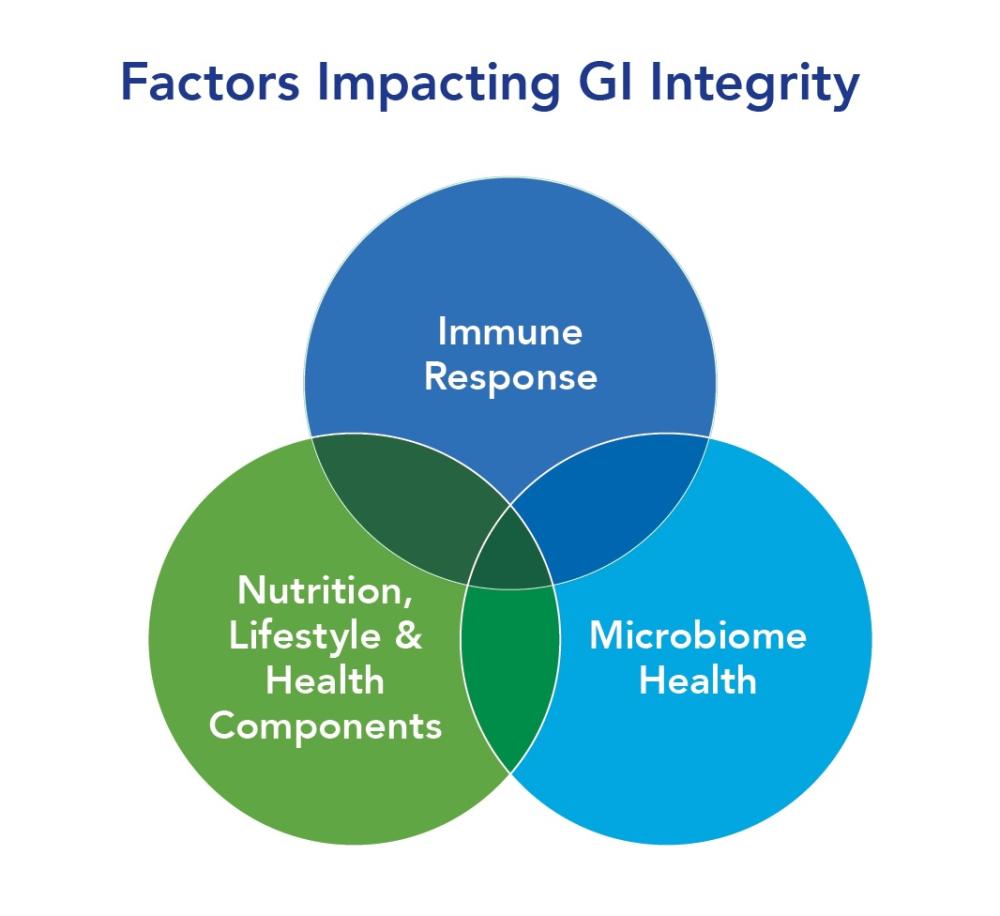
The integrity of the intestinal barrier and the development of a self-tissue response in the intestines is rarely a result of one factor. Instead, it is a multifactorial process influenced by numerous factors, including the health of the microbiome, immune and cytokine responses, and nutrition, lifestyle, and health components.

The Health of the Microbiome

The gut microbiome is a complex ecosystem of nearly 100 trillion microorganisms that maintain mucosal health.2 Beneficial microbes such as Bifidobacteria, Lactobacilli, enterococcus, and Clostridium produce short-chain fatty acids (SCFAs), which support tight junction integrity and signaling.2

Conversely, a microbial imbalance resulting from low microbial diversity or gastrointestinal infections can increase intestinal permeability and promote an increased immune response. Evidence suggests that individuals with a self-tissue response in the intestines have a reduction of beneficial bacterial species in the gastrointestinal tract.5

The Immune and Cytokine Responses in the Gut

The gut-associated lymphoid tissue (GALT) is an integral part of the immune system, responsible for responding to non-beneficial bacteria while maintaining tolerance to dietary antigens and commensal bacteria. Cytokines such as interleukin-10 (IL-10) promote immune tolerance, whereas excessive production of cytokines like IL-6 and TNF-α disrupt mucosal balance. Activation of these cytokines can perpetuate barrier and tissue changes, contributing to systemic immune activation.6,7

Nutrition, Lifestyle & Health Components

Nutrition: The Standard American Diet (Western Diet) contains a high intake of refined sugars, processed carbohydrates, red or processed meat, omega-6 fatty acids, and alcohol, exacerbating the body's cytokine balance processes. The way of eating is also partially responsible for decreased bacterial diversity in the gut and contributes to inadequate intake of essential vitamins and minerals. Poor nutrient absorption is a common presentation for people with a self-tissue response in the intestines.8,9

Conversely, a diet rich in fruits and vegetables, fiber, omega-3 fatty acids, fish, grains, and legumes protects and supports a healthy GI barrier. Studies have shown that eliminating some food groups, such as gluten and dairy or other known food allergies or intolerances, may help reduce GI symptoms and support a self-tissue response.9 Special attention should be given to replacing vitamins and minerals, such as B vitamins, vitamin D, electrolytes, and omega-3 fatty acids, as indicated.10

Lifestyle: Perceived stress that is uncontrolled or not well managed is considered a predictor of the exacerbation of GI symptoms and self-tissue response.11 Poor sleep quality is associated with elevated levels of IL-6, TNF-α, nuclear factor-kB (NF-kB), and CRP (C-reactive protein), known markers of the immune system.12

Health Components: General health components such as a history of intake of medications, exposure to environmental toxins and genetic predisposition also play a role in the susceptibility to a compromised intestinal barrier and immune response.

Nutrient Solutions to Build the Intestinal Barrier

Glutamine is the most abundant amino acid in the body. It is the primary energy source for enterocytes (the cells that line the small intestine and colon), utilizing about 30% of total glutamine.13,14 It also helps maintain healthy intestinal integrity by enhancing the intestine's protective mucosal lining and promotes tissue repair from metabolic stress.14‡

Studies have demonstrated that L-glutamine supplementation reduces intestinal permeability and supports outcomes in patients with compromised barrier integrity.13‡

Arabinogalactan, a fiber derived from larch trees, is a prebiotic that promotes the growth of beneficial gut bacteria. such as Bacteroidetes, Bifidobacterium, and Faecalibacterium praisnitzii, which are crucial for proper gut-associated lymphoid tissue (GALT) function and development.15 These bacteria produce SCFAs, including butyrate, which enhance epithelial integrity and modulate cytokine production.

Arabinogalactan also has immunomodulatory properties, supporting the production of natural killer (NK) cells and promoting mucosal immunity.16 It may also promote healthy production of cytokines, which mediate cell-to-cell communication between cells involved in the immune response. Its dual role as a prebiotic and immune supporter makes it a valuable addition to protocols to restore gut health.

Perilla (Perilla frutescens) is a traditional herb rich in polyphenols and rosmarinic acid. which promote cytokine balance and antioxidant effects. Its active compounds reduce the production of cytokines such as IL-6 and TNF-α, which are implicated in intestinal immune changes.17‡

In a randomized, controlled trial involving 50 individuals, 150 mg of Benegut® Perilla frutescens extract twice daily offered significant support for GI comfort.18 Perilla also stabilizes mast cells, reducing hypersensitivity reactions that can contribute to mucosal damage.19‡

Additionally, its antioxidant properties help neutralize reactive oxygen species (ROS), protecting the intestinal lining from oxidative stress.20

Astragalus (Astragalus membranaceus) is a well-known adaptogenic herb with a long history of use in Traditional Chinese Medicine (TCM). It promotes immunity by supporting B and T lymphocyte production, balancing Th1/Th2, and modulating cytokine response.21 It also protects the intestinal barrier by upregulating tight junction proteins and secretory IgA (sIgA) production. This key immune component coats the intestinal lining and prevents the adherence of non-beneficial microorganisms.22 Its adaptogenic properties further support resilience against stress, a contributing factor to a compromised intestinal barrier.23‡

Deglycyrrhizinated licorice (DGL) supports the healing of the GI barrier and other mucous membranes by increasing blood supply to mucosa, increasing the production of mucus, which acts as a protective barrier for the intestinal lining and improves the life span of intestinal cells.24‡

Created in BioRender.com

Pure Encapsulations® Nutrient Solutions

Pure Encapsulations offers expertly crafted supplements made with high-quality, pure ingredients and supported by verifiable scientific research. These products are designed to complement personalized care plans.

Epi-Integrity powder: is a carefully formulated blend of glutamine, prebiotic fiber, and herbal extracts that support the modulation of mucosal immune responses and promote gastrointestinal (G.I.) barrier integrity. It helps maintain a balanced microbiome, provides mucosal protection, and supports epithelial cell health for optimal gut function.

Suggested Use: 1 scoop, 1-2 times daily. Add 1 serving to 8 oz of water or juice. Shake or stir until dissolved.

Conclusion

Restoring intestinal barrier integrity and supporting mucosal immune responses are essential for addressing symptoms associated with self-tissue responses in the gut. Healthcare providers can leverage evidence-based nutritional strategies to address the underlying factors contributing to a compromised barrier. Nutrients such as L-glutamine, arabinogalactan, perilla, Astragalus, and DGL offer targeted support for mucosal repair, cytokine modulation and immune balance.

Resources

Gastrointestinal Self-Tissue Response Protocol: Designed by our scientific and medical advisors to help you deliver the most effective care and support for your patient's intestinal health.

Drug-Nutrient Interaction Checker:  Provides valuable information on potential interactions between your patients' prescriptions, over-the-counter medications and nutritional supplements.

PureInsight: Our streamlined platform easily collects patient data and provides valuable recommendations to help achieve their health goals.

Virtual Dispensary: Our Pure Patient Direct program provides account holders FREE access to our virtual dispensary to help simplify patient sales and reduce in-office inventory.

You can also explore Pure Encapsulations® to find On-Demand Learning, Clinical Protocols and other resources developed with our medical and scientific advisors.

References

  1. Center for Disease Control and Prevention. June 21, 2024. Accessed January 19, 2025. https://www.cdc.gov.
  2. Fusco W, Lorenzo MB, Cintoni M, et al. Nutrients. 2023;15(9). doi:10.3390/nu15092211
  3. Di Sabatino A, Santacroce G, Rossi CM, Broglio G, Lenti MV. Intern Emerg Med. 2023;18(6). doi:10.1007/s11739-023-03329-1
  4. Ghosh S, Whitley CS, Haribabu B, Jala VR. CMGH. 2021;11(5). doi:10.1016/j.jcmgh.2021.02.007
  5. Khan I, Ullah N, Zha L, et al. Pathogens. 2019;8(3). doi:10.3390/pathogens8030126
  6. Ullah H, Arbab S, Tian Y, et al. Front Immunol. 2024;15:1413485. doi:10.3389/fimmu.2024.1413485
  7. Tanoue T, Umesaki Y, Honda K. Gut Microbes. 2010;1(4). doi:10.4161/gmic.1.4.12613
  8. De Castro MM, Pascoal LB, Steigleder KM, et al. World J Exp Med. 2021;11(1). doi:10.5493/wjem.v11.i1.1
  9. Christensen C, Knudsen A, Arnesen EK, Hatlebakk JG, Sletten IS, Fadnes LT. Advances in Nutrition. 2024;15(5):100219. doi:10.1016/j.advnut.2024.100219
  10. Balestrieri P, Ribolsi M, Guarino MPL, Emerenziani S, Altomare A, Cicala M. Nutrients. 2020;12(2). doi:10.3390/nu12020372
  11. Edman JS, Greeson JM, Roberts RS, et al. Explore: The Journal of Science and Healing. 2017;13(2). doi:10.1016/j.explore.2016.12.005
  12. Irwin MR, Opp MR. Neuropsychopharmacology. 2017;42(1). doi:10.1038/npp.2016.148
  13. Abbasi F, Haghighat Lari MM, Khosravi GR, Mansouri E, Payandeh N, Milajerdi A. Amino Acids. 2024;56(1):60. doi:10.1007/s00726-024-03420-7
  14. Kim MH, Kim H. Int J Mol Sci. 2017;18(5). doi:10.3390/ijms18051051
  15. Cao Y, Shen J, Ran ZH. Gastroenterol Res Pract. 2014;2014. doi:10.1155/2014/872725
  16. Dion C, Chappuis E, Ripoll C. Nutr Metab (Lond). 2016;13(1). doi:10.1186/s12986-016-0086-x
  17. Pressi G, Rigillo G, Governa P, et al. Pharmaceutics. 2023;15(1). doi:10.3390/pharmaceutics15010240
  18. Buchwald-Werner S, Fujii H, Reule C, Schoen C. BMC Complement Altern Med. 2014;14. doi:10.1186/1472-6882-14-173
  19. Takano H, Osakabe N, Sanbongi C, et al. Exp Biol Med. 2004;229(3). doi:10.1177/153537020422900305
  20. Adam G, Robu S, Flutur MM, et al. Antioxidants. 2023;12(3). doi:10.3390/antiox12030727
  21. Wang XY, Wang RC, Qu ZY, Zhu YZ, Li YL. Frontiers in Natural Products. 2022;1. doi:10.3389/fntpr.2022.971679
  22. Liang H, Tao S, Wang Y, et al. Front Nutr. 2024;11. doi:10.3389/fnut.2024.1364739
  23. Park HJ, Hyun YK, Yoon KH, Kyung SK, Shim I. Korean Journal of Physiology and Pharmacology. 2009;13(4). doi:10.4196/kjpp.2009.13.4.315
  24. Murray MT. In:Textbook of Natural Medicine.; 2020. doi:10.1016/b978-0-323-43044-9.00085-6
Webinars

Intestinal Permeability: Evidence-Based Approaches to Supporting Gut Barrier Function

Pure Encapsulations Pro Blog


Watch the Webinar


View webinar library


Intestinal Permeability: Evidence-Based Approaches to Supporting Gut Barrier Function


Presented by: Kelly Heim, Ph.D.+


Intestinal barrier hyperpermeability ("leaky gut") is a common and often overlooked feature of gastrointestinal, immunological and metabolic health. The integrity of the gut barrier is influenced by health status, dietary composition, medications, microbiota and diverse lifestyle factors. Despite over 50 years of research and thousands of scholarly publications on intestinal permeability, clinical approaches are subject to guesswork and trial and error. This webinar will distill the current clinical evidence and provide practical, evidence-based strategies to support and maintain a healthy gut barrier.


Learning objectives:


  • Define "leaky gut" and its underlying causes

  • Recognize the systemic impact of gut barrier integrity on metabolic, immune and mental health

  • Describe simple dietary and lifestyle-based interventions that enhance or maintain intestinal barrier integrity

  • Review current evidence-based modalities and condition-specific interventions that support and maintain gut barrier integrity


About the Speaker


Kelly C. Heim, Ph.D.+ is a Senior Consultant of Medical Affairs at Pure Encapsulations® and Founder and Senior Science Editor at Integrative Pharmacology. He received his doctoral degree in pharmacology from Geisel School of Medicine at Dartmouth College and specializes in the pharmacology of natural compounds. Dr. Heim is a published author and illustrator of various studies, scholarly reviews and book chapters. He offers complimentary learning resources on the basics of clinical pharmacology of natural products via his website, IntegrativePharmacology.com.


+Dr. Heim is an employee of Pure Encapsulations.


Blog

Nutrient Solutions to Complement the 5R Protocol: A Comprehensive Approach to Maintaining Gut Health

Pure Encapsulations Pro Blog

Nutrient Solutions to Complement the 5R Protocol: A Comprehensive Approach to Maintaining Gut Health

By: Amy Doyle, MS, CNS*

The Institute for Functional Medicine developed the 5R Program, a framework for addressing leaky gut and other gastrointestinal concerns. This program focuses on five areas of health that can be individualized based on a patient’s unique symptoms and health needs: Remove, Replace, Reinoculate, Repair and Rebalance.

The cornerstone of any plan of care incorporates a healthy diet and lifestyle changes. Removing triggering or offensive foods is a hallmark of the 5R protocol, and the practitioner needs to advise the patient about what foods they can and should eat. The focus should be on whole foods, phytonutrient-rich fruits and vegetables, fiber, and quality fats, choosing organic when possible. A variety of diets exist that can be tailored to a patient’s individual nutritional needs and health goals. Three of the most popular include:

  • The Low FODMAP diet
  • The Mediterranean diet
  • The Paleo or Autoimmune Paleo Diet

Evaluating a patient's nutritional status, symptoms, and dietary history can assist in identifying the most beneficial diet. Considering the diverse food restrictions and allowances inherent in these diets, a patient's commitment and capacity to comply can influence their overall success.

Low FODMAP Diet

FODMAP stands for Fermentable, Oligo-Di and Mono-saccharides and Polyhydric Alcohols. FODMAPS encompass foods that can interact with gut microbiota, and through fermentation, can provoke symptoms of discomfort, flatulence and altered bowel habits. Included in this category of foods are lactose, fructose, fructans and other poorly absorbed carbohydrates.

Overall, symptom improvement has been seen in some patients adhering to a Low FODMAP diet, with reductions in abdominal pain frequency and severity, bloating, and improved satisfaction with bowel habits and quality of life, compared to a standard diet consisting of high FODMAP foods.1, 2

Mediterranean Diet

The Mediterranean Diet is rooted in whole foods and is abundant in essential fatty acids, with plenty of olive oil, nuts and seeds. Low in red meat, it emphasizes fresh seafood, dairy, eggs, fruits, vegetables, whole grains, herbs and spices. In an explorative analysis of 68 women from the LIBRE-1 study, researchers observed that the women who adhered to a Mediterranean Diet (n=33) had greater plasma levels of n-3 essential fatty acids and decreased plasma Lipopolysaccharide Binding Protein and decreased fecal zonulin levels, compared to controls.3

Paleo Diet or Autoimmune Paleo Diet

This diet emphasizes eating the way our hunter-gatherer ancestors may have eaten. It avoids refined sugars, dairy, processed foods, grains, legumes, soy and peanuts and focuses on all meats, fish, poultry, fruits and vegetables, eggs, nuts, seeds, herbs and spices and healthy fats. This way of eating can be therapeutic for people who need to remove a wide variety of offensive foods for a period to allow the gut to heal. A meta-analysis of the Paleo diet showed that it can reduce insulin resistance, cholesterol markers, blood pressure and C-reactive protein, making it worth exploring in patients with metabolic concerns.4

The 5R Program & Pure Encapsulations® Nutrient Solutions

Pure Encapsulations provides products for all areas of gut health that can support your patient in every area of the 5R protocol.

Remove

In this phase, the removal of processed foods, poor-quality fats, refined sugars, artificial sweeteners, alcohol and possible sources of food sensitivities, like gluten, dairy and carbohydrate intolerances are recommended. The focus should also be on removing stressors, environmental toxins and non-beneficial microorganisms. Supplemental support can include microbial balance, motility support and nutrients that promote liver detoxification.

Pure Encapsulations Nutrient Solutions

  • MotilPro contains ginger extract, 5 hydroxytryptophan, pyridoxal-5 phosphate, and acetyl-l carnitine that provide support for gastrointestinal motility, GI comfort and stimulation of gut-signaling neurons. Suggested use: 2 capsules, 1-2 times daily between meals.
  • MicroDefense w/ Oregano is comprised of a combination of olive leaf, artemisia and clove extracts to promote healthy gastrointestinal tract function and microbial balance and supports immune function and respiratory tract balance. Suggested use: 1 capsule, 1-3 times daily, just before a meal, with 6-8 oz water for 2-3 months.
  • Liver-G.I. Detox contains a nutrient-rich matrix that includes vitamins, minerals, protein, carotenoids and botanical support like chlorella, broccoli and artichoke extracts, along with turmeric and milk thistle to provide dual support for liver and gastrointestinal detoxification. It enhances phase II detoxification enzymes and helps maintain healthy intestinal integrity and proper nutrient utilization.Suggested use: 2 capsules daily with a meal.

Replace

The focus should be on replacing processed and poor-quality foods with whole foods and phytonutrients by consuming a wide variety of colorful fruits and vegetables. Hydrochloric acid, bile salts and digestive enzyme support are recommended to support optimal digestion. Exploring ways to support the patient’s sleep quality, exercise, stress management and work/life balance should also be addressed.

Pure Encapsulations Nutrient Solutions

  • Betaine HCl contains Betaine HCl and pepsin to support healthy gastric function and promote the absorption of protein, vitamin B12 and calcium. Suggested use: 1 capsule, 3 times daily, with each meal.
  • Digestive Enzymes Ultra contains an extensive profile of vegetarian digestive enzymes to support protein, carbohydrate, fat, fiber, and dairy digestion and promote enhanced nutrient bioavailability and absorption.Suggested use: 2 capsules with each meal.

Reinoculate

This area explores the use of probiotics and prebiotics to repopulate the gut with beneficial microbes and their metabolites. Cultured and fermented foods may also be used to feed the microbiome, depending on the patient’s tolerance.

Pure Encapsulations Nutrient Solutions

  • Probiotic G.I. provides 10 billion CFU per capsule of the beneficial bacteria Lactobacillus acidophilus, Lactobacillus salivarius, Lactobacillus casei, Bifidobacterium bifidum, Bifidobacterium lactis and Streptococcus thermophilus to promote healthy immune balance within the G.I. tract and help maintain the integrity of the intestinal mucosa. Suggested use: 1 capsule, 1-2 times daily, with or between meals.
  • Poly-Prebiotic Powder is a unique powdered blend of researched prebiotic fibers and polyphenols to support gastrointestinal, cellular and immune function by boosting bifidobacteria and microbiome diversity. Suggested use: 1 scoop, 1-2 times daily, mixed with a beverage or into food.

Repair

This area of the program focuses on foods that are easy to digest, provide nourishment and support gut integrity, like bone broths, soups and stews, teas and well-cooked versus raw foods. Medical foods may also be employed during repair.  Supplement recommendations should include nutrients that soothe the GI tract and support the gut mucosa.

Pure Encapsulations Nutrient Solutions

  • Peptic-Care contains a patented 1:1 chelate of zinc and l-carnosine, providing synergistic GI mucosal protection and supports the stomach’s mucosal defenses, buffers gastric acid, maintains healthy cytokine release and provides antioxidant support for the GI tract.Suggested use: 1 capsule, 1-2 times daily with meals.
  • Epi-Integrity Powder promotes healthy modulation of mucosal immune responses to support GI integrity.Suggested use: 1 scoop, 1-2 times daily. Add 1 serving to 8 oz of water or juice.
  • L-Glutamine delivers 850 mg of L-glutamine to support the mucosal lining and healthy functioning of the gastrointestinal tract; it may help to maintain lean muscle mass.Suggested use: 1 capsule, 1-3 times daily, between meals. Also available in powder.
  • SunButyrateTM-TG Liquid provides 875 mg of short-chain fatty-acid butyric acid in one teaspoon to promote gut-barrier integrity, cytokine balance in the GI tract, abdominal comfort and bowel motility.Suggested use: 1 teaspoon, 1-3 times daily, with meals.
  • DGL Plus® contains a synergistic combination of deglycyrrhizinated licorice extract, aloe vera extract, slippery elm and marshmallow root extract to help stimulate the quality and production of stomach mucus, provide nutritional support to the gastrointestinal tract and support the body’s natural defense mechanisms.Suggested use: 1 capsule daily before a meal.

Rebalance

In this stage, the patient should have experienced improvements in their health and the focus is on continued implementation of approaches to reduce stress, maintain sleep quality and support healthy gut function. Reassessing nutrient needs and supplement dosages is recommended, as well as reintroducing some previously eliminated foods to assess tolerance.

Summary

Supporting a patient’s gut health requires a multi-layered approach. Following the 5R Framework partnered with Pure Encapsulations premium products can be foundational in a patient’s digestive system balance and improving their overall health.

Pure Encapsulations® provides uniquely formulated products made with high-quality, pure ingredients backed by verifiable science to complement your plan of care.

References

  1. Varjú P, Farkas N, Hegyi P, et al. PLoS One. 2017;12(8):e0182942. Published 2017 Aug 14. doi:10.1371/journal.pone.0182942
  2. Halmos EP et al. JGGastroenterology. 2014;146(1):67-75.e5. doi:10.1053/j.gastro.2013.09.046
  3. Seethaler B et al. Eur J Nutr. 2023;62(7):2779-2791. doi:10.1007/s00394-023-03172-2
  4. Sohouli MH, Fatahi S, Lari A, et al. Crit Rev Food Sci Nutr. 2022;62(17):4551-4562. doi:10.1080/10408398.2021.1876625
*Amy Doyle is an employee of Pure Encapsulations
Blog

Is It a Leaky Gut? Defining What Lurks Beneath a Patient’s Symptoms

Pure Encapsulations Pro Blog

Is It a Leaky Gut? Defining What Lurks Beneath a Patient’s Symptoms

By: Amy Doyle, MS, CNS*

Table of Contents

1. The First Line of Defense

2. Structure and Function of the Intestinal Barrier

  • 3.1. The Chemical Barrier
  • 3.2. The Physical Barrier
  • 3.3. The Immune Barrier

3. What Can Go Wrong?

4. Underlying Causes of a Leaky Gut

5. Potential Health Consequences Associated with a Leaky Gut

6. Assessments for Leaky Gut

  • 6.1. Urine
    • Lactulose Mannitol
  • 6.2. Serum
    • Lipopolysaccharide
    • Zonulin or Zonulin/Occludin
    • Citrulline
    • Intestinal Fatty Acid Binding Protein
  • 6.3. Fecal
    • Secretory IgA

7. Exploring Nutrients to Support Healthy Gut Function

  • Glutamine
  • Botanicals
  • Probiotics & Prebiotics
  • Zinc Carnosine
  • Deglycyrrhizinated Licorice (DGL), Marshmallow Root & Slippery Elm

8. Pure Encapsulations® Nutrient Solutions

  • Betaine HCl
  • Digestive Enzymes Ultra
  • MotilPro
  • MicroDefense w/ Oregano
  • Probiotic G.I.
  • Poly-Prebiotic Powder
  • Peptic-Care
  • Epi-Integrity Powder
  • L-Glutamine
  • SunButyrateTM-TG liquid
  • DGL Plus®

9. Conclusion

10. Resources

The First Line of Defense

This small intestinal barrier is the first line of defense when it comes to living organisms. It is not only responsible for absorbing nutrients from the diet but also serves a pivotal role as the body’s first line of defense against ingested harmful substances. Only a single layer of cells protects the body from the external world, and it exists in this barrier. A healthy and properly functioning intestinal barrier protects from non-beneficial microorganisms, undigested food particles and toxins from entering the bloodstream. When the integrity of the intestinal barrier is disrupted, it can become hyperpermeable.

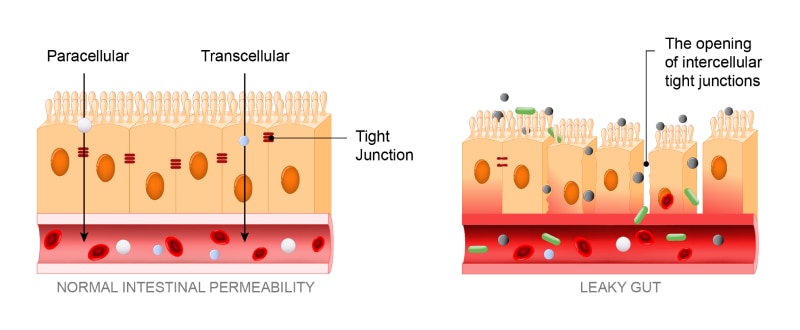
Intestinal hyperpermeability, also known as Leaky Gut, allows non-beneficial microorganisms, toxins and undigested food particles to “leak” through the barrier and into circulation, where they can impact other organs and systems.

Structure and Function of the Intestinal Barrier

Homeostasis of the intestinal barrier relies on three interdependent layers: a chemical barrier, a physical barrier and an immune barrier.

Chemical Barrier

The chemical barrier consists of the microbiota-rich mucus layer. In direct contact with the contents of the lumen, it’s the body’s first line of defense and provides a protective coating over epithelial cells. Surrounding cells secrete glycoproteins, mucin, and peptides to support the health of the mucus layer and prevent bacteria, toxins and antigens from penetrating the epithelial layer. Secretory IgA is also found in the mucus, as it helps prevent bacteria from adhering to the epithelial cells.

The mucus layer is also home to the microbiota of the gut. The microbiota participates in many important roles that regulate barrier function and overall health, including harvesting nutrients from the diet, synthesizing vitamins and metabolites like short-chain fatty acids, preventing the proliferation of non-beneficial bacteria and engaging in crosstalk with other organs and systems. Aberration of the gut microbiota and its metabolites can lead to downstream consequences and alterations of the intestinal barrier.1

Physical Barrier

Beneath the mucosa exist multiple cell types, including enterocytes, goblet cells, enteroendocrine cells, Paneth cells and intestinal stem cells. These cells are responsible for assisting with the absorption of nutrients and interacting with immune cells, the mucus layer and the microbiota to support homeostasis. Collectively, these cells form the one-cell-thick, semipermeable physical barrier known as the epithelial intestinal barrier. The epithelial cells tightly regulate the space between cells (paracellular) and through cell (transcellular) permeability. The integrity of the epithelial barrier is maintained by tight junctions, which are key structures that seal and provide tight connections between the adjacent cells and regulate paracellular trafficking of macromolecules through the intestinal barrier. The overlapping of proteins like zonulin, occludin, clauden and cadherin provides stability of tight junctions. Changes to the structure or function of these proteins are implicated in leaky gut.2, 3, 4

Immune Barrier

Beneath the epithelial barrier is the lamina propria, comprised of innate and adaptive immune cells, making up the immune barrier. Also residing here are components of the mucosal- associated lymphoid tissue (MALT) and gut-associated lymphoid tissue (GALT) and include Peyer’s Patches, which support IgA’s production and transport between the interdependent layers. Macrophages, dendritic cells, T cells, B cells and mast cells also colonize the immune barrier.

What Can Go Wrong?

Interferences in the structure and functions of this cellular barrier, or its chemical and immune components, can lead to increased permeability. Intestinal hyperpermeability, also known as leaky gut, allows non-beneficial microorganisms, toxins and undigested food particles to “leak” through the barrier and into circulation, where they can impact other organs and systems.

Diagram illustrating normal intestinal permeability vs. leaky gut

Underlying Causes of a Leaky Gut

Patients with gut barrier concerns and intestinal hyperpermeability may present uniquely different symptoms. This occurs because individuals may encounter a variety of factors throughout their lifetime that can lead to leaky gut, including:

  • Food sensitivities3
  • Stress5
  • Mast cell activation6, 7
  • Poor diet or alcohol intake8, 9
  • Inadequate zinc or Vitamin D10, 11
  • Certain medications12, 13
  • Non-beneficial microorganisms,14
  • Environmental contaminants
  • Altered microbiome2
  • Low digestive enzymes or HCl
Health consequences associated with leaky gut

Potential Health Consequences Associated with a Leaky Gut

Optimizing the function and integrity of the intestinal barrier can be one of the most important things a practitioner can do for their patient. The consequences of a leaky gut can extend far beyond the gut and impact many areas of health, including cardiovascular,15 metabolic,16, 17 mental,18, 19 neurological,20 skin,21 immune22 and reproductive health.

Assessments for Leaky Gut

Urine

Lactulose Mannitol: One of the initial non-invasive laboratory tests, the lactulose mannitol test uses sugar molecules to assess intestinal permeability. The patient is given an oral dose of both lactulose and mannitol. the smaller monosaccharide, freely passes through the epithelial barrier and into the bloodstream. Lactulose, a larger disaccharide, is typically prevented from paracellular travel through the tight junctions. The presence of these two sugar molecules in the urine is expressed as a ratio of the percentage of the ingested doses, known as the LMR or lactulose mannitol ratio. This ratio can reflect increased intestinal permeability.24

Serum

Lipopolysaccharide: Lipopolysaccharide, or LPS, is an endotoxin found in the cell wall of Gram-negative organisms that is naturally present in the gastrointestinal, respiratory and genitourinal tracts. When the organism’s outer membrane is shed or ruptured, LPS is expressed. The detection of LPS and LPS IgA, IgG and IgM antibodies in the serum can indicate intestinal permeability.23 Because other factors can cause LPS to be present in the serum, LPS testing is often used alongside other biomarkers for leaky gut.

Zonulin or Zonulin/Occludin: These proteins contribute to the stability of tight junctions and epithelial cells and their presence in the serum can be clinically relevant when assessing intestinal permeability.24

Citrulline: Citrulline is an amino acid synthesized by enterocytes from glutamine or arginine. Traditionally used as a marker for decreased enterocyte mass with immune-related conditions of the GI tract, low plasma citrulline can also be a significant biomarker of intestinal barrier permeability.

Intestinal Fatty Acid Binding Protein (I-FABP): Plasma I-FABP is another useful biomarker for assessing intestinal permeability. Expressed by the enterocytes, I-FABP belongs to a family of fatty acid-binding proteins responsible for binding to and transporting fatty acids.24 Like other markers for leaky gut, I-FABP is detected in the serum when it has breached the intestinal barrier due to hyperpermeability.24 In a case-control study by Linsalata et al., higher serum levels of I-FABP were detected in patients with Functional GI Concerns with occasional diarrhea, concurrent with altered lactulose-mannitol ratio and increased intestinal permeability.25

Fecal

Secretory IgA: Found throughout the mucosa of the intestinal barrier, sIgA supports the mucosa's health by preventing bacteria adhesion to the epithelial cells and coordinating immune responses.24 Secretory IgA found in the stool can suggest hyperpermeability. Also detected in saliva and serum, sIgA testing is often interpreted alongside other biomarkers for leaky gut. According to a survey conducted in 2022 by the American Gastroenterological Association, 1 in 4 people in the US experience occasional uncomfortable gut symptoms over the last year.26 As the list of health conditions associated with leaky gut continues to grow, optimizing a patient’s gut function to maintain their overall health should take center stage. Just as leaky gut has no single cause, there is no single cookie-cutter approach. Many practitioners find that their patients with leaky gut benefit from a customized plan, using the 5R Program as a guide.

Exploring Nutrients to Support Healthy Gut Function

Along with dietary and lifestyle changes, nutrients that support GI motility, gut barrier integrity and microbial balance can help support patient outcomes.

Glutamine: The most abundant amino acid in the body is a primary energy source for intestinal epithelial cells and is utilized by the body for tissue repair and gastrointestinal support.27, 28, 29 Glutamine plays a large role in maintaining healthy intestinal integrity by enhancing the intestine’s protective mucosal lining.

Botanicals: Some patients may benefit from artemisia, olive leaf extract, oregano, clove or berberine sulfate, which can help promote healthy microbial balance.30, 31, 32, 33, 34‡

Probiotics & Prebiotics: Probiotics have been shown to be efficacious in all subtypes of Functional GI Concerns, although specific strains should be considered for each subtype and symptoms presented. Overall, meta-analyses have shown that probiotics may significantly improve stool consistency, regulate stool frequency and gut transit time.35, 36, 37‡ Prebiotic fibers, like Arabinogalactan, are nondigestible food components that modulate and support the gut microbiota. They perform beneficial metabolic, trophic and protective functions within the gut, leading to overall cellular, immune and metabolic support.38 Arabinogalactan may increase the concentration of beneficial bacteria, such as Bacteroidetes and Faecalibacterium prausnitzii.39‡

Zinc carnosine: Zinc and carnosine provide synergistic antioxidant protection, support the stomach's mucosal defenses, buffer gastric acid and maintain healthy cytokine release.40 Studies suggest that this combination is more effective in maintaining the integrity of the gastric lining than either ingredient alone.41‡

Deglycyrrhizinated licorice (DGL), Marshmallow Root & Slippery Elm: Deglycyrrhizinated licorice (DGL), marshmallow root and slippery elm bark are demulcent herbs that are traditionally recognized for their value in soothing the gastrointestinal tract and maintaining the integrity of the mucosal lining.42, 43, 44‡

Pure Encapsulations® Nutrient Solutions

Pure Encapsulations® provides products designed to complement your care plans for patients needing digestive and GI support. You’ll find Pure Encapsulations offers nutrients individually and in combination to meet all your patient’s unique needs. Pure Encapsulations® products are also highly suitable for use with the 5R Program, a functional medicine model.

Digestive Enzymes

  • Betaine HCl contains betaine HCl and pepsin to support healthy gastric function and promote absorption of protein, vitamin B12, and calcium. Suggested use: 1 capsule, 3 times daily, with each meal.
  • Digestive Enzymes Ultra contains an extensive profile of vegetarian digestive enzymes to support protein, carbohydrate, fat, fiber, and dairy digestion and promote enhanced nutrient bioavailability and absorption. Suggested use: 2 capsules with each meal.

Motility

  • MotilPro contains ginger extract, 5 hydroxytryptophan, pyridoxal-5 phosphate, and acetyl-l-carnitine that provides support for gastrointestinal motility, GI comfort and stimulation of gut-signaling neurons. Suggested use: 2 capsules, 1-2 times daily between meals.

Microbial Balance

  • MicroDefense w/ Oregano is comprised of a combination of olive leaf, artemisia and clove extracts to promotes healthy gastrointestinal tract function and microbial balance and supports immune function and respiratory tract balance. Suggested use: 1 capsule, 1-3 times daily, just before a meal, with 6-8 oz water for 2-3 months.

Probiotics & Prebiotics

  • Probiotic G.I. provides 10 billion CFU per capsule of the beneficial bacteria Lactobacillus acidophilus, Lactobacillus salivarius, Lactobacillus casei, Bifidobacterium bifidum, Bifidobacterium lactis and Streptococcus thermophilus to promote healthy immune balance within the G.I. tract and help maintain the integrity of the intestinal mucosa. Suggested use: 1 capsule, 1-2 times daily, with or between meals.
  • Poly-Prebiotic Powder is a unique powdered blend of researched prebiotic fibers and polyphenols to support gastrointestinal, cellular and immune function by boosting Bifidobacteria and microbiome diversity. Suggested use: 1 scoop, 1-2 times daily, mixed with a beverage or into food.

Gut Barrier Integrity

  • Peptic-Care contains a patented 1:1 chelate of zinc and l-carnosine, providing synergistic GI mucosal protection and supports the stomach’s mucosal defenses, buffers gastric acid, maintains healthy cytokine release and provides antioxidant support for the GI tract. Suggested use: Take 1 capsule, 1-2 times daily with meals.
  • Epi-Integrity Powder promotes healthy modulation of mucosal immune responses to support GI integrity. Suggested use: 1 scoop, 1-2 times daily. Add 1 serving to 8 oz of water or juice and shake or stir until dissolved.
  • L-Glutamine delivers 850 mg of L-glutamine to support the mucosal lining and healthy functioning of the gastrointestinal tract; it may help to maintain lean muscle mass. Suggested use: 1 capsule, 1-3 times daily, between meals. Also available in powder.
  • SunButyrateTM - TG liquid provides 875 mg of short-chain fatty-acid butyric acid in one teaspoon to promote gut-barrier integrity, cytokine balance in the GI tract, abdominal comfort and bowel motility. Suggested use: 1 teaspoon, 1-3 times daily, with meals.
  • DGL Plus® contains a synergistic combination of deglycyrrhizinated licorice extract, aloe vera extract, slippery elm and marshmallow root extract to help stimulate the quality and production of stomach mucus, provide nutritional support to the gastrointestinal tract and support the body’s natural defense mechanisms. Suggested use: Take 1 capsule daily before a meal.

Conclusion

With the gut being the chief portal for entry of nutrients, antigens and non-beneficial microorganisms into the body, a healthy intestinal barrier is key to maintaining a healthy gut and overall health. A patient-centered approach with nutrient and lifestyle solutions tailored to an individual’s unique clinical presentation and nutrient needs can have a profound effect not just in the gut but at a systemic level.

With Pure Encapsulations, you have the promise of premium sourced ingredients backed by verifiable science, so you can be confident you are recommending products with quality, purity and potency.

Resources

A Comprehensive Approach to Maintaining Normal Gut Health: Offers guidance and product suggestions for the 5R Program to address Leaky Gut Factors and other GI conditions, developed by the Institute for Functional Medicine.

Drug-Nutrient Interactions Checker | DNI Calculator: Offers scientifically supported, clinically relevant information that’s easy to understand with product suggestions based on verifiable science.

You can also explore Pure Encapsulations® to find On-Demand Learning, Clinical Protocols and other resources developed with our medical and scientific advisors.

References

  1. Su Q, Tun HM, Liu Q, et al. Gut Microbes. 2023;15(1):2157697. doi:10.1080/19490976.2022.2157697
  2. Vita AA, Zwickey H, Bradley R. Front Nutr. 2022;9:962093. Published 2022 Sep 6. doi:10.3389/fnut.2022.962093
  3. Awad K, Barmeyer C, Bojarski C, et al. Cells. 2023;12(2):236. Published 2023 Jan 5. doi:10.3390/cells12020236
  4. Zhou Q, Zhang B, Verne GN. Pain. 2009;146(1-2):41-46. doi:10.1016/j.pain.2009.06.017
  5. Vanuytsel T et al. Gut. 2014;63(8):1293-1299. doi:10.1136/gutjnl-2013-305690
  6. Bashashati M et al. Neurogastroenterol Motil. 2018;30(1):10.1111/nmo.13192. doi:10.1111/nmo.13192
  7. Lee H et al. J Neurogastroenterol Motil. 2013;19(2):244-250. doi:10.5056/jnm.2013.19.2.244
  8. Saffouri GB et al. Nat Commun. 2019;10(1):2012. Published 2019 May 1. doi:10.1038/s41467-019-09964-7
  9. Bhonchal S et al. J Gastroenterol Hepatol. 2008;23(7 Pt 2):e43-e48. doi:10.1111/j.1440-1746.2007.05080.x
  10. Wessells KR et al. J Pediatr Gastroenterol Nutr. 2013;57(3):348-355. doi:10.1097/MPG.0b013e31829b4e9e
  11. Linsalata M et al. Nutrients. 2021;13(3):1011. Published 2021 Mar 21. doi:10.3390/nu13031011
  12. Duan H et al. Crit Rev Food Sci Nutr. 2022;62(6):1427-1452. doi:10.1080/10408398.2020.1843396
  13. Matsui H. et al. J Clin Biochem Nutr. 2011;48(2):107-111. doi:10.3164/jcbn.10-79
  14. Fukuda, Y et al. Digestion, 63(1), 93–96. doi:10.1159/000051918
  15. Kavanagh K, Hsu FC, Davis AT, Kritchevsky SB, Rejeski WJ, Kim S. Geroscience. 2019;41(6):923-933. doi:10.1007/s11357-019-00112-z
  16. De Munck TJI, Xu P, Verwijs HJA, et al. Liver Int. 2020;40(12):2906-2916. doi:10.1111/liv..14696
  17. Damms-Machado A, Louis S, Schnitzer A, et al. Am J Clin Nutr. 2017;105(1):127-135. doi:10.3945/ajcn.116.131110
  18. Asbjornsdottir B, Snorradottir H, Andresdottir E, et al. Nutrients. 2020;12(7):1982. Published 2020 Jul 3. doi:10.3390/nu12071982
  19. Maes M, Kubera M, Leunis JC. Neuro Endocrinol Lett. 2008;29(1):117-124.
  20. Clairembault T, Leclair-Visonneau L, Coron E, et al. Acta Neuropathol Commun. 2015;3:12. Published 2015 Mar 10. doi:10.1186/s40478-015-0196-0
  21. Nam B, Kim SA, Park SD, et al. PLoS One. 2020;15(4):e0231268. Published 2020 Apr 10. doi:10.1371/journal.pone.0231268
  22. Zheng Y, Zhang Z, Tang P, et al. Front Immunol. 2023;14:1143548. Published 2023 Apr 24. doi:10.3389/fimmu.2023.1143548
  23. Nendl A, Raju SC, Broch K, et al. Front Cardiovasc Med. 2023;10:1160030. Published 2023 Jun 2. doi:10.3389/fcvm.2023.1160030
  24. Linsalata M, Riezzo G, D'Attoma B, Clemente C, Orlando A, Russo F. BMC Gastroenterol. 2018;18(1):167. Published 2018 Nov 6. doi:10.1186/s12876-018-0888-6
  25. American Gastroenterological Association. Accessed January 22, 2024.
  26. Rastgoo S, Ebrahimi-Daryani N, Agah S, et al. Front Nutr. 2021;8:746703. Published 2021 Dec 16. doi:10.3389/fnut.2021.746703
  27. Sasaki E, et al. Luminescence. 2013 Jul- Aug;28(4):442- 9.
  28. Song QH, et al. Int J Clin Pharmacol Ther. 2015 May;53(5):372-6
  29. Oguche S, et. al. Am J Trop Med Hyg. 2014 Nov;91(5):925-35
  30. Takeda R, et. al. Phytomedicine. 2013 Jul 15;20(10):861-4.
  31. Force M, et al. Phytother. Res. 2000: 14, 213–214.
  32. Bansal V, et. al. Niger Med J. Nov-Dec 2019;60(6):285- 289.
  33. Khin-Maung-U, et. al. Br Med J (Clin Res Ed). 1985 Dec 7;291(6509):1601-5.
  34. Yong Wen, Jun Li, Qing Long, Chao-chi Yue, Bing He, Xue-gui Tang,
  35. International Journal of Surgery, 2020. Volume 79. pp 111-19.
  36. Sun JR, Kong CF, Qu XK, Deng C, Lou YN, Jia LQ Saudi J Gastroenterol. 2020;26(2):66-77. doi:10.4103/sjg.SJG_384_19
  37. Shang X, E FF, Guo KL, et al. Nutrients. 2022;14(12):2482. Published 2022 Jun 15. doi:10.3390/nu14122482
  38. Natalia S, et al. Nutrients. 2018 May; 10(5): 576.
  39. Riede L, et. al. Curr Med Res Opin. 2013 Mar;29(3):251-8.
  40. Shimada T, et al. J Pharmacol Exp Ther. 1999 Oct;291(1):345-52.
  41. Sakae K, et al. Nutr Clin Pract. 2013 Oct;28(5):609-16.
  42. Das SK, et al. J Assoc Physicians India. 1989 Oct;37(10):647.
  43. Deters A, et al. J Ethnopharmacol. 2010 Jan 8;127(1):62-9.
  44. Marakis G, et al. Phytomedicine. 2002 Dec;9(8):694-9.
*Amy Doyle is an employee of Pure Encapsulations