New PRO Academy: Evidence-driven education in nutritional medicine. Sign up today!

Immune Support

Blog

How to Evaluate Suspected Histamine Intolerance

Pure Encapsulations Pro Blog

By Kim Ross, DCN, CNS, LDN, IFMCP+

How to Evaluate Suspected Histamine Intolerance

Table of Contents:

Introduction

Self-reported food intolerances, including histamine intolerance, affect between 15-20% of individuals.1 A challenge clinicians face is that patients can experience a wide range of symptoms, often mimicking food allergies or other health concerns, compounded by the lack of a validated diagnostic test for a histamine intolerance.1 Current guidelines therefore emphasize a careful history, exclusion of other causes and a structured dietary “test and retest” approach.1,2

This blog will describe histamine and histamine intolerance and focus on six evaluation techniques to employ when you suspect a patient has a histamine intolerance.

What is Histamine?

Histamine is a bioactive amine that is synthesized from the amino acid histidine. It is primarily synthesized and stored in basophils and mast cells, as well as within cells of the gastrointestinal tract, lymph nodes and thymus.

The two main pathways by which it is metabolized involve the enzymes diamine oxidase (DAO) and histamine-N-methyltransferase (HNMT). Intestinal DAO is a class of enzymes that helps eliminate histamine from the body, specifically histamine ingested from food.

Histamine is involved in many functions of the body, including multiple immune mechanisms, cytokine production and neurotransmission.3

What is Histamine Intolerance?

Histamine intolerance (HIT) is a practical label clinicians use to describe the accumulation of histamine at a rate that exceeds the body’s ability to eliminate it.4 As a result, patients with a histamine intolerance may report a repeatable group of symptoms after eating histamine-rich foods, such as wine, cheese, spinach, fermented foods, some fish and meat.4

Because histamine receptors are widely distributed, symptoms can span multiple systems and may include, but are not limited to1–3:

  • Abdominal discomfort
  • Occasional constipation or diarrhea
  • Bloating
  • Dizziness
  • Headaches
  • Nasal congestion and sneezing
  • Flushing
  • Itchy skin
  • Skin rashes

Analogy of the Body’s Handling of Histamine

Think of the body’s histamine handling like a sink.

Symptoms can appear if the faucet runs faster (more histamine exposure or release) or the drain runs slower (reduced histamine breakdown).

Six Evaluation Techniques

1. Track the Symptom Pattern and Timing

Pattern recognition is an important evaluation technique. The first step is to encourage patients to track symptoms in relation to meals and timing. If symptoms occur within 20-30 minutes and resolve within a few hours, a histamine-related mechanism becomes more plausible.3

Ask your patients to track:

  • Their symptoms, rating scale and frequency as accurately as possible
  • The time from first bite to the onset of the symptoms, as well as the time to resolution
  • Co-factors that may worsen symptoms, such as alcohol, exercise, heat, poor sleep and stress. Alcohol can interfere with histamine degradation.2

2. Identify Exposure Sources and Amplifiers

Histamine content of food varies greatly with maturity, storage time and processing. Some patients tolerate foods when fresh but react when aged or eaten as leftovers, suggesting it could be more about the way the food is aged or prepared rather than the food itself.5 Histamine content increases as food ripens and in leftovers.

Cooking methods also can alter histamine levels. For example, grilled seafood has higher histamine levels over raw or boiled seafood, while boiling helps decrease histamine levels.6

Therefore, as your patients track foods and symptoms, it is beneficial to also have them notate how the food was cooked, prepared and stored.

3. Review Medications and Decide When to Refer to a Specialist

Review a patient’s medications, both prescribed and over the counter, as some inhibit the function of the DAO enzyme.2,4 This may also rule out high-histamine foods as the potential culprit.

Refer to a specialist if there is a history of anaphylaxis, airway symptoms, decrease in blood pressure or other rapidly progressive symptoms. For chronic conditions, refer to a specialist when there are unexplained changes in symptoms such as weight loss or persistent fevers. These symptoms may be indicative of a more serious issue.

4. Work the Differential on Purpose

Guidelines recommend ruling out alternative explanations before labeling symptoms as histamine related.2 If it is within your scope of practice, it can be helpful to rule out food or environmental allergies, malabsorption concerns or other reasons mast cell activation may be present. If diagnostics are not within your scope of practice, refer accordingly.

5. Use Testing Strategically and Set Expectations

Patients may expect a definitive “histamine test.” Despite the availability of some testing options, these can produce false negatives and generally have low sensitivity and specificity.5 The 2021 guideline states there is no reliable procedure or test to confirm adverse reactions to ingested histamine, and determination must be made based on symptoms after other causes are excluded.2 Testing for genetic polymorphisms that encode the DAO enzyme has the potential to uncover the genetic etiology of histamine intolerance.3

6. The Most Practical Evaluation Tool: A Structured Diet Trial and Re-challenge

Because biomarkers are limited, a time-limited histamine-reduced trial followed by systematic reintroduction is the most actionable evaluation tool.2,4,7 Rather than promoting generalized or highly restrictive food lists, it is recommended to personalize food restrictions and emphasize nutrient optimization. Inform your patients that the goal is to identify patterns that influence symptoms and minimize unnecessary restriction.

  • Baseline 7 days: During this time, have the patient follow their usual diet while keeping a diary as detailed in steps 1-2 above (food, timing, symptoms, stress, sleep, alcohol).
  • Histamine-reduced/avoidance trial: For up to 4 weeks, emphasize fresh foods and minimize the foods, sources or amplifiers the patient identified in steps 1-2. Keep the diet broad for nutrient adequacy.
  • Re-challenge: Reintroduce smaller and larger portions of one histamine-rich food category at a time over the next 1-6 weeks, notating any adverse reactions and frequency of symptoms if they return.

If symptoms improve and recur with re-challenge, shift from restriction to tolerance building and address amplifiers (food storage habits, alcohol, sleep, stress). If there is no meaningful change, revisit the differential rather than tightening the diet indefinitely.

Pure Encapsulations Nutrient Solutions

DAO Enzyme: An estimated 1-3% of the population cannot digest dietary histamine efficiently, often because of low intestinal diamine oxidase (DAO), an enzyme in the gastrointestinal (GI) tract that normally breaks down histamine.3 Supplementation with DAO enhances DAO activity in the GI tract, promoting breakdown of dietary histamine and reducing gastrointestinal discomfort (e.g., occasional diarrhea, bloating and gas) associated with sensitivity to histamine-rich foods.8 DAO may also reduce skin symptoms associated with high intestinal histamine levels.9‡

Suggested Dose: As a dietary supplement, take 1 capsule, 2-3 times daily with meals or as directed by a healthcare professional.


Hist Reset: This formula promotes healthy mast cell stabilization and supports healthy histamine metabolism. Quercetin, luteolin and rutin are flavonoids known to exhibit antioxidant and immune modulating activity.10–12 Bromelain supports healthy T-cell function and cytokine production.13 Riboflavin, niacinamide and molybdenum are included as cofactors for aldehyde dehydrogenase, a key enzyme in the breakdown of histamine. Preliminary research suggests that supplementation with vitamin C modulates bronchial responsiveness to histamine in sensitive subjects.14 Optimal vitamin C serum levels have been associated with lower blood histamine levels.15 NAC promotes immune and lung defense through mucolytic and antioxidant actions. It acts as a free radical scavenger by supporting glutathione production.16‡

Suggested Use: As a dietary supplement, take 2 capsules daily, between meals or as directed by a healthcare professional.


Seeking medical advice from a professional may be appropriate for managing more serious symptoms and/or cases. Dietary supplements are not intended to replace the use of medications or alternative treatment.

Conclusion

Suspected histamine intolerance is best approached as a clinical pattern recognition problem. Because symptoms can overlap with food allergy, malabsorption concerns and other drivers of mast cell activation, your most valuable tools for assessment include a detailed history, intentional differential thinking and a structured “test and retest” plan that links symptoms to specific exposures and co-factors. When you guide patients to track timing, preparation methods, storage habits, alcohol intake, stress and sleep, you often uncover that the issue is not simply the food itself, but rather the combination of histamine load and the rate of histamine clearance that varies day to day.

With this structured approach, supportive tools such as meal-timed DAO and targeted antioxidant and flavonoid blends can be positioned as adjuncts within an individualized plan, while keeping the focus on sustainable dietary patterns, realistic next steps and appropriate referral when red flags are present.

Resources

For additional information, including diet and lifestyle recommendations for supporting histamine intolerance, refer to the resources listed below:

Histamine Intolerance Protocol: Designed by our scientific and medical advisors to help you deliver the most effective care and support histamine intolerance.

To learn more about the research behind selected nutrient solutions, download the following:

Drug-Nutrient Interactions Checker: Provides valuable information on potential interactions between your patients' prescriptions, over-the-counter medications and nutritional supplements.

You can also explore Pure Encapsulations® to find On-Demand Learning, Clinical Protocols and other resources developed with our medical and scientific advisors.

References

  1. Jackson K, Busse W, Gálvez-Martín P, Terradillos A, Martínez-Puig D. Int J Mol Sci. 2025;26(18). doi:10.3390/ijms26189198
  2. Reese I, Ballmer-Weber B, Beyer K, et al. Allergologie. 2021;44(10). doi:10.5414/ALX02269
  3. Comas-Basté O, Sánchez-Pérez S, Veciana-Nogués MT, Latorre-Moratalla M, Vidal-Carou MDC. Biomolecules. 2020;10(8). doi:10.3390/biom10081181
  4. Jochum C. Nutrients. 2024;16(8). doi:10.3390/nu16081219
  5. Eade G. J Evol Health. 2018;2(1). doi:10.15310/2334-3591.1054
  6. Chung BY, Park SY, Byun YS, et al. Ann Dermatol. 2017;29(6). doi:10.5021/ad.2017.29.6.706
  7. Rentzos G, Weisheit A, Ekerljung L, van Odijk J. Eur J Clin Nutr. 2024;78(8). doi:10.1038/s41430-024-01448-2
  8. Schnedl WJ, Schenk M, Lackner S, Enko D, Mangge H, Forster F. Food Sci Biotechnol. 2019;28(6). doi:10.1007/s10068-019-00627-3
  9. Yacoub MR, Ramirez GA, Berti A, et al. Int Arch Allergy Immunol. 2018;176(3-4). doi:10.1159/000488142
  10. Kimata M, Shichijo M, Miura T, Serizawa I, Inagaki N, Nagai H.Clinical and Experimental Allergy. 2000;30(4). doi:10.1046/j.1365-2222.2000.00768.x
  11. Weng Z, Zhang B, Asadi S, et al. PLoS One. 2012;7(3). doi:10.1371/journal.pone.0033805
  12. Theoharides TC, Stewart JM, Hatziagelaki E. Front Neurosci. 2015;9(JUN). doi:10.3389/fnins.2015.00225
  13. Rathnavelu V, Alitheen NB, Sohila S, Kanagesan S, Ramesh R. Biomed Rep. 2016;5(3). doi:10.3892/br.2016.720
  14. Bucca C, Rolla G, Oliva A, Farina JC. Ann Allergy. 1990;65(4).
  15. Johnston CS, Solomon RE, Corte C. J Am Coll Nutr. 1996;15(6). doi:10.1080/07315724.1996.10718634
  16. Raghu G, Berk M, Campochiaro PA, et al. Curr Neuropharmacol. 2020;19(8). doi:10.2174/1570159x19666201230144109

+Dr. Ross is a paid consultant for Pure Encapsulations.

Blog

Barrier Builders: Nutrients to Support Mucosal Immune Responses and the Intestinal Barrier

Pure Encapsulations Pro Blog
Learn how nutrients, the microbiome, and lifestyle choices impact mucosal immunity and support a resilient intestinal barrier.Learn how nutrients, the microbiome, and lifestyle choices impact mucosal immunity and support a resilient intestinal barrier.
Learn how nutrients, the microbiome, and lifestyle choices impact mucosal immunity and support a resilient intestinal barrier.

Barrier Builders: Nutrients to Support Mucosal Immune Responses and the Intestinal Barrier

By: Kim Ross, DCN, CNS, LDN, IFMCP

Table of Contents:

Introduction

The intestinal barrier is more than just a digestive checkpoint - it's a key defender against non-beneficial microorganisms, toxins, and antigens while allowing the body to absorb vital nutrients. When this barrier is compromised, it can lead to a cascade of symptoms, including occasional bloating, abdominal discomfort, irregular bowel movements, and nutrient malabsorption.

One common consequence of a weakened barrier includes intestinal concerns, often triggered by self-tissue response. According to the CDC, over 3.1 million Americans experience intestinal immune concerns,1 which can disrupt nutrient absorption and weaken overall immunity.

This article will explore the essential nutrients that support the mucosal immune system and strengthen the intestinal barrier, offering insights into how dietary interventions can help maintain gut integrity and overall health.

A Healthy Barrier and Its Functions

The intestinal barrier consists of a monolayer of specialized epithelial cells that line the gut lumen, forming a selectively permeable barrier. These epithelial cells are sealed together by tight junction proteins, including occludin, claudin-1, and zonula occludens-1 (ZO-1).2,3 Tight junctions function as "gatekeepers," determining what substances can pass through the intestinal lining into the bloodstream while preventing the entry of harmful microorganisms, toxins, and antigens.

The intestinal barrier also includes a mucus layer, which provides physical protection by preventing direct contact between microbes and the epithelial cells. It contains antimicrobial peptides and secretory immunoglobulin A (sIgA), which neutralize non-beneficial microorganisms and contribute to immune defense. This layer is rich in immune cells such as macrophages, dendritic cells, and T-cells, which play key roles in maintaining immune homeostasis.3

The primary functions of the gut barrier include:4

  • absorption of nutrients
  • regulation of immune responses
  • maintenance of intestinal homeostasis
  • prevention of the translocation of harmful substances
  • supporting bidirectional communication between the gut microbiota and the immune system
Created in BioRender.com

A Compromised Barrier

When the integrity of the gut barrier is compromised, it can lead to increased intestinal permeability, commonly called "leaky gut." Increased permeability allows larger molecules, such as undigested food particles, toxins, and microbes, to enter the bloodstream, potentially triggering an unbalanced state and immune activation. This, in turn, can lead to persistent intestinal distress and self-tissue response in the intestines, further exacerbating symptoms and contributing to systemic changes.

Factors That Impact GI Integrity and Lead to a Self-Tissue Response

The integrity of the intestinal barrier and the development of a self-tissue response in the intestines is rarely a result of one factor. Instead, it is a multifactorial process influenced by numerous factors, including the health of the microbiome, immune and cytokine responses, and nutrition, lifestyle, and health components.

The Health of the Microbiome

The gut microbiome is a complex ecosystem of nearly 100 trillion microorganisms that maintain mucosal health.2 Beneficial microbes such as Bifidobacteria, Lactobacilli, enterococcus, and Clostridium produce short-chain fatty acids (SCFAs), which support tight junction integrity and signaling.2

Conversely, a microbial imbalance resulting from low microbial diversity or gastrointestinal infections can increase intestinal permeability and promote an increased immune response. Evidence suggests that individuals with a self-tissue response in the intestines have a reduction of beneficial bacterial species in the gastrointestinal tract.5
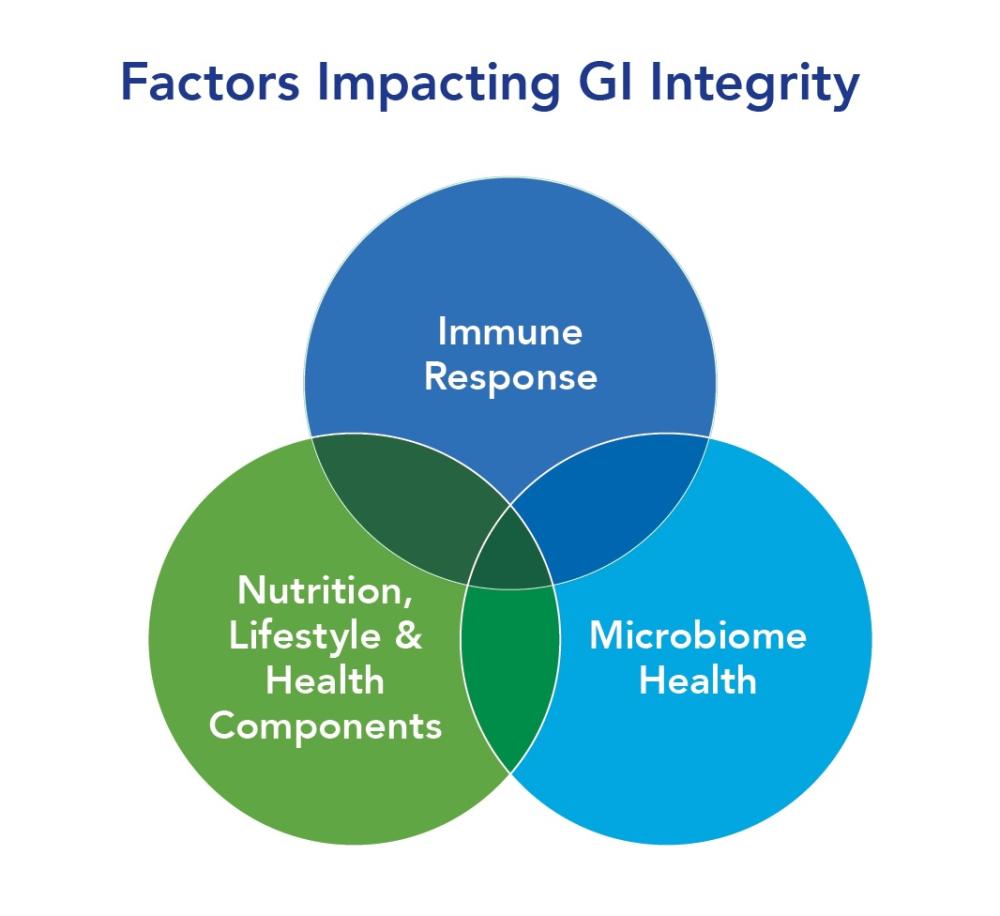
The Immune and Cytokine Responses in the Gut

The gut-associated lymphoid tissue (GALT) is an integral part of the immune system, responsible for responding to non-beneficial bacteria while maintaining tolerance to dietary antigens and commensal bacteria. Cytokines such as interleukin-10 (IL-10) promote immune tolerance, whereas excessive production of cytokines like IL-6 and TNF-α disrupt mucosal balance. Activation of these cytokines can perpetuate barrier and tissue changes, contributing to systemic immune activation.6,7

Nutrition, Lifestyle & Health Components

Nutrition: The Standard American Diet (Western Diet) contains a high intake of refined sugars, processed carbohydrates, red or processed meat, omega-6 fatty acids, and alcohol, exacerbating the body's cytokine balance processes. The way of eating is also partially responsible for decreased bacterial diversity in the gut and contributes to inadequate intake of essential vitamins and minerals. Poor nutrient absorption is a common presentation for people with a self-tissue response in the intestines.8,9

Conversely, a diet rich in fruits and vegetables, fiber, omega-3 fatty acids, fish, grains, and legumes protects and supports a healthy GI barrier. Studies have shown that eliminating some food groups, such as gluten and dairy or other known food allergies or intolerances, may help reduce GI symptoms and support a self-tissue response.9 Special attention should be given to replacing vitamins and minerals, such as B vitamins, vitamin D, electrolytes, and omega-3 fatty acids, as indicated.10

Lifestyle: Perceived stress that is uncontrolled or not well managed is considered a predictor of the exacerbation of GI symptoms and self-tissue response.11 Poor sleep quality is associated with elevated levels of IL-6, TNF-α, nuclear factor-kB (NF-kB), and CRP (C-reactive protein), known markers of the immune system.12

Health Components: General health components such as a history of intake of medications, exposure to environmental toxins and genetic predisposition also play a role in the susceptibility to a compromised intestinal barrier and immune response.

Nutrient Solutions to Build the Intestinal Barrier

Glutamine is the most abundant amino acid in the body. It is the primary energy source for enterocytes (the cells that line the small intestine and colon), utilizing about 30% of total glutamine.13,14 It also helps maintain healthy intestinal integrity by enhancing the intestine's protective mucosal lining and promotes tissue repair from metabolic stress.14‡

Studies have demonstrated that L-glutamine supplementation reduces intestinal permeability and supports outcomes in patients with compromised barrier integrity.13‡

Arabinogalactan, a fiber derived from larch trees, is a prebiotic that promotes the growth of beneficial gut bacteria. such as Bacteroidetes, Bifidobacterium, and Faecalibacterium praisnitzii, which are crucial for proper gut-associated lymphoid tissue (GALT) function and development.15 These bacteria produce SCFAs, including butyrate, which enhance epithelial integrity and modulate cytokine production.

Arabinogalactan also has immunomodulatory properties, supporting the production of natural killer (NK) cells and promoting mucosal immunity.16 It may also promote healthy production of cytokines, which mediate cell-to-cell communication between cells involved in the immune response. Its dual role as a prebiotic and immune supporter makes it a valuable addition to protocols to restore gut health.

Perilla (Perilla frutescens) is a traditional herb rich in polyphenols and rosmarinic acid. which promote cytokine balance and antioxidant effects. Its active compounds reduce the production of cytokines such as IL-6 and TNF-α, which are implicated in intestinal immune changes.17‡

In a randomized, controlled trial involving 50 individuals, 150 mg of Benegut® Perilla frutescens extract twice daily offered significant support for GI comfort.18 Perilla also stabilizes mast cells, reducing hypersensitivity reactions that can contribute to mucosal damage.19‡

Additionally, its antioxidant properties help neutralize reactive oxygen species (ROS), protecting the intestinal lining from oxidative stress.20

Astragalus (Astragalus membranaceus) is a well-known adaptogenic herb with a long history of use in Traditional Chinese Medicine (TCM). It promotes immunity by supporting B and T lymphocyte production, balancing Th1/Th2, and modulating cytokine response.21 It also protects the intestinal barrier by upregulating tight junction proteins and secretory IgA (sIgA) production. This key immune component coats the intestinal lining and prevents the adherence of non-beneficial microorganisms.22 Its adaptogenic properties further support resilience against stress, a contributing factor to a compromised intestinal barrier.23‡

Deglycyrrhizinated licorice (DGL) supports the healing of the GI barrier and other mucous membranes by increasing blood supply to mucosa, increasing the production of mucus, which acts as a protective barrier for the intestinal lining and improves the life span of intestinal cells.24‡

Created in BioRender.com

Pure Encapsulations® Nutrient Solutions

Pure Encapsulations offers expertly crafted supplements made with high-quality, pure ingredients and supported by verifiable scientific research. These products are designed to complement personalized care plans.

Epi-Integrity powder: is a carefully formulated blend of glutamine, prebiotic fiber, and herbal extracts that support the modulation of mucosal immune responses and promote gastrointestinal (G.I.) barrier integrity. It helps maintain a balanced microbiome, provides mucosal protection, and supports epithelial cell health for optimal gut function.

Suggested Use: 1 scoop, 1-2 times daily. Add 1 serving to 8 oz of water or juice. Shake or stir until dissolved.

Conclusion

Restoring intestinal barrier integrity and supporting mucosal immune responses are essential for addressing symptoms associated with self-tissue responses in the gut. Healthcare providers can leverage evidence-based nutritional strategies to address the underlying factors contributing to a compromised barrier. Nutrients such as L-glutamine, arabinogalactan, perilla, Astragalus, and DGL offer targeted support for mucosal repair, cytokine modulation and immune balance.

Resources

Gastrointestinal Self-Tissue Response Protocol: Designed by our scientific and medical advisors to help you deliver the most effective care and support for your patient's intestinal health.

Drug-Nutrient Interaction Checker:  Provides valuable information on potential interactions between your patients' prescriptions, over-the-counter medications and nutritional supplements.

You can also explore Pure Encapsulations® to find On-Demand Learning, Clinical Protocols and other resources developed with our medical and scientific advisors.

References

  1. Center for Disease Control and Prevention. June 21, 2024. Accessed January 19, 2025. https://www.cdc.gov.
  2. Fusco W, Lorenzo MB, Cintoni M, et al. Nutrients. 2023;15(9). doi:10.3390/nu15092211
  3. Di Sabatino A, Santacroce G, Rossi CM, Broglio G, Lenti MV. Intern Emerg Med. 2023;18(6). doi:10.1007/s11739-023-03329-1
  4. Ghosh S, Whitley CS, Haribabu B, Jala VR. CMGH. 2021;11(5). doi:10.1016/j.jcmgh.2021.02.007
  5. Khan I, Ullah N, Zha L, et al. Pathogens. 2019;8(3). doi:10.3390/pathogens8030126
  6. Ullah H, Arbab S, Tian Y, et al. Front Immunol. 2024;15:1413485. doi:10.3389/fimmu.2024.1413485
  7. Tanoue T, Umesaki Y, Honda K. Gut Microbes. 2010;1(4). doi:10.4161/gmic.1.4.12613
  8. De Castro MM, Pascoal LB, Steigleder KM, et al. World J Exp Med. 2021;11(1). doi:10.5493/wjem.v11.i1.1
  9. Christensen C, Knudsen A, Arnesen EK, Hatlebakk JG, Sletten IS, Fadnes LT. Advances in Nutrition. 2024;15(5):100219. doi:10.1016/j.advnut.2024.100219
  10. Balestrieri P, Ribolsi M, Guarino MPL, Emerenziani S, Altomare A, Cicala M. Nutrients. 2020;12(2). doi:10.3390/nu12020372
  11. Edman JS, Greeson JM, Roberts RS, et al. Explore: The Journal of Science and Healing. 2017;13(2). doi:10.1016/j.explore.2016.12.005
  12. Irwin MR, Opp MR. Neuropsychopharmacology. 2017;42(1). doi:10.1038/npp.2016.148
  13. Abbasi F, Haghighat Lari MM, Khosravi GR, Mansouri E, Payandeh N, Milajerdi A. Amino Acids. 2024;56(1):60. doi:10.1007/s00726-024-03420-7
  14. Kim MH, Kim H. Int J Mol Sci. 2017;18(5). doi:10.3390/ijms18051051
  15. Cao Y, Shen J, Ran ZH. Gastroenterol Res Pract. 2014;2014. doi:10.1155/2014/872725
  16. Dion C, Chappuis E, Ripoll C. Nutr Metab (Lond). 2016;13(1). doi:10.1186/s12986-016-0086-x
  17. Pressi G, Rigillo G, Governa P, et al. Pharmaceutics. 2023;15(1). doi:10.3390/pharmaceutics15010240
  18. Buchwald-Werner S, Fujii H, Reule C, Schoen C. BMC Complement Altern Med. 2014;14. doi:10.1186/1472-6882-14-173
  19. Takano H, Osakabe N, Sanbongi C, et al. Exp Biol Med. 2004;229(3). doi:10.1177/153537020422900305
  20. Adam G, Robu S, Flutur MM, et al. Antioxidants. 2023;12(3). doi:10.3390/antiox12030727
  21. Wang XY, Wang RC, Qu ZY, Zhu YZ, Li YL. Frontiers in Natural Products. 2022;1. doi:10.3389/fntpr.2022.971679
  22. Liang H, Tao S, Wang Y, et al. Front Nutr. 2024;11. doi:10.3389/fnut.2024.1364739
  23. Park HJ, Hyun YK, Yoon KH, Kyung SK, Shim I. Korean Journal of Physiology and Pharmacology. 2009;13(4). doi:10.4196/kjpp.2009.13.4.315
  24. Murray MT. In:Textbook of Natural Medicine.; 2020. doi:10.1016/b978-0-323-43044-9.00085-6

Blog

A Three-Step Approach to Immune System Balance: Addressing Self-Tissue Response

Pure Encapsulations Pro Blog
Female healthcare practitioner consulting man on supplements; family in background

A Three-Step Approach to Immune System Balance: Addressing Self-Tissue Response

The Immune System & Functional Medicine

The relevance of the immune system goes far beyond natural defenses. Along with the endocrine and nervous systems, the immune system is one of the three great regulating systems of the body, affecting all other systems and functions.

In fact, the more we learn about immunology, the more we realize that practically all the patterns seen commonly in a functional medicine practice have a fundamentally immunological basis.

Immunology is at the root of many common clinical objectives, including:

  • Tolerance of self-tissue
  • Digestive health
  • Cytokine balance
  • Brain function, mood and cognition
  • Joint function
  • Glucose homeostasis
  • Sinus and respiratory health
  • Cardiovascular function

While support for a healthy immune response is essential in all patients, it is particularly important in patients with self-tissue response.

This blog will provide a brief introduction to a three-step approach that addresses the immunological basis of patterns seen commonly in your patients and in particular in patients with self-tissue response.

Useful interventions related to this three-step approach can be found in Pure Encapsulations’ Self-Tissue Response Protocol, developed with functional immunology thought leader Dr. Samuel Yanuck, and a more in depth review of this information is available in our Self-Tissue Response Brochure and PureResponse® platform.

Self-Tissue Response: A Three Step Approach

Each step supports a key aspect of the immune system. Interventions for each step are intended to be continued indefinitely or modified as needed to maintain immune homeostasis.

Step 1. Promote T-Helper Cell Balance

T helper cells are a class of lymphocyte that help the immune system respond appropriately. They begin as naive T cells and become, when activated, unique T helper cell types. Which type they become depends on cytokines and other factors in their micro-environment at the time of their activation.

Below are four major T helper cell types and their roles in maintaining immune system balance:

  • Th1 cells: Support host microbial defenses
  • Th2 cells: Help activate eosinophils and mast cells
  • Th17 cells: Respond to the extracellular microbial environment
  • Treg cells: Modulate the effects of other T cells
T Cell balance

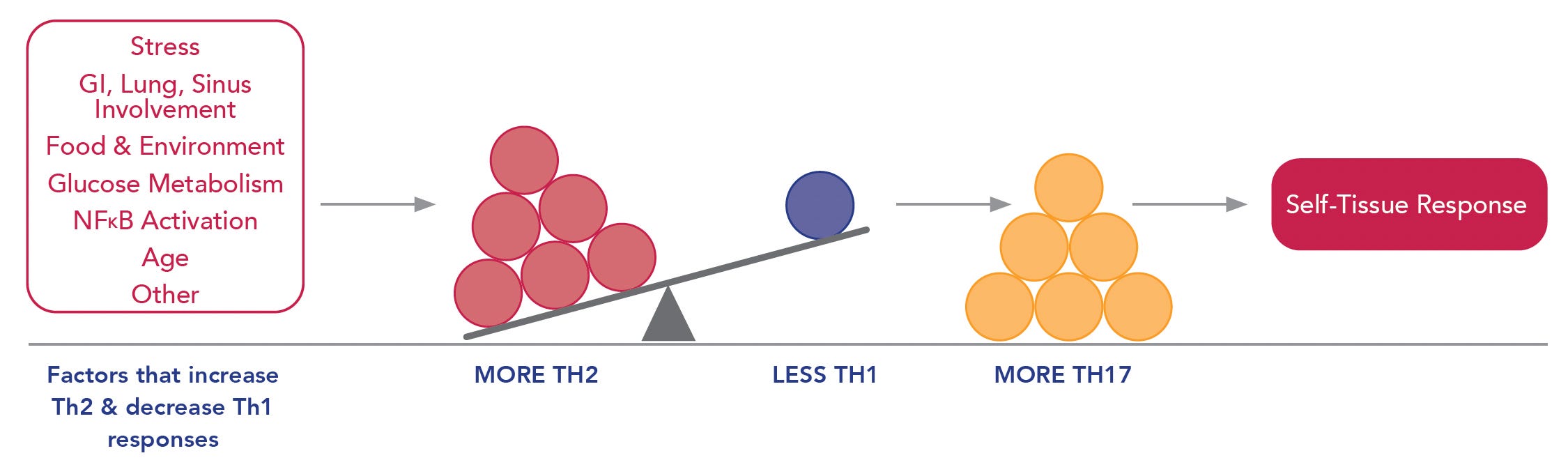
A balanced profile of T helper cells is crucial for immune defenses and tissue homeostasis. Unfortunately, many factors commonly seen in clinical practice can drive an imbalance in T helper cell types. Often, this occurs as an increase in the number and activity of Th2 cells (Th2 response) and a decrease in the number and activity of Th1 cells (Th1 response). In turn, this imbalance leads to the expansion of Th17 cells which, through a cascade of effects, can make the patient more susceptible to developing an immune response directed at self-tissue.

Supporting a healthy profile of T helper cells is, therefore, an important first step in fostering a healthy immune system and modulating self-tissue response. Clinicians may wish to consider Th1 Support and Th2 Modulator. For more information refer to Pure Encapsulations’ Self-Tissue Response Protocol.

Step 2. Modulate Cytokine Activation

Immune roadmap

Cytokines are messenger molecules that orchestrate immune system function. NFkB is a protein complex that induces gene expression of a mixture of cytokines that initiate immune activation, which can increase self-tissue response. Persistent NFkB increase can drive STAT3 expression, which increases Th17 response, which promotes self-tissue response.

Step 2 modulates the expression of NFkB, which supports cytokine balance, a healthy T cell repertoire and tissue homeostasis. While supporting cytokine balance (Step 2) is an essential step, it is crucial to first support a balanced T helper cell profile (Step 1).

As indicated in the diagram above, Balanced Immune, PureResponse® Multivitamin, and Brain Reset™ should be considered to support this step.

Step 3. Personalize Your Plan of Care

The interconnectedness of elements in the immune system is often bidirectional. In some patients, progress depends upon addressing factors you would normally think of as downstream from the mechanisms discussed in Steps 1 and 2.

For instance, G.I., sinus, lung, or bladder mucosal function, or mast cell activation can affect T cell polarization or cytokine production. Therefore, modulating mast cell activation or supporting GI mucosal health can also contribute to a healthy T helper cell profile.

Personalize your plan of care by identifying formulas that match the circumstances of your patient’s case. The following may be useful:

  • Innate Immune Support promotes healthy cellular immune response to support innate immunity
  • Coriolus extract promotes white blood cell number and function
  • Epi-Integrity promotes healthy modulation of mucosal immune responses to support GI integrity in a great-tasting powder
  • Perilla extract supports healthy modulation of Th2 cytokines and mucosal health
  • Hist Reset modulates mast cell and immune mediator activation

Bringing It All Together

Modulating self-tissue response can sometimes feel overwhelming, but this three-step approach offers a simple and reliable strategy that addresses the immunological basis of patterns seen commonly in your patients.

Discover the Pure Encapsulations products that align with these Steps in our Self-Tissue Response Protocol and Self-Tissue Response Brochure.

Complimentary Access to Cogence® Immunology

Cogence® is an online course—built by Dr. Samuel Yanuck, DC — that offers an in-depth functional immunology learning experience. Designed to connect underlying immunology with clinical applications, Cogence® creates a rigorous yet intuitive program that will allow you to navigate each patient's unique clinical pattern.

At Pure Encapsulations®, we have made a unique commitment to provide functional medicine practitioners with full access to this course at no additional cost, assuming the full cost of membership.

Your complimentary Cogence® membership will give you access to over 200 instructional videos, each 20 to 90 minutes long and grouped into 22 modules, covering a wide range of topics. Tackle the whole course, or use it as a learning library, picking videos about topics related to your patient’s cases.

To get started, visit PureEncapsulationsPro.com/Cogence

Other Resources

Drug-Nutrient Interaction Checker: Provides valuable information on potential interactions between your patients' prescriptions, over-the-counter medications and nutritional supplements.

PureInsight™: Our streamlined platform easily collects patient data and provides valuable recommendations to help achieve their health goals.

Virtual Dispensary: Our Pure Patient Direct program provides healthcare providers with access to our virtual dispensary to help simplify patient sales and reduce in-office inventory.

You can also explore Pure Encapsulations® to find On-Demand Learning, Clinical Protocols and other resources developed with our medical and scientific advisors.

References

  1. Zhu J, Paul WE. Blood. 2008 Sep 1;112(5):1557-69.
  2. Miossec P, Korn T, Kuchroo VK. N Engl J Med. 2009 Aug 27;361(9):888-98.
  3. Barnes PJ, Karin M. N Engl J Med. 1997 Apr 10;336(15):1066-71.
  4. O'Shea JJ, Plenge R. Immunity. 2012 Apr 20;36(4):542-50.
  5. Maddur MS, Miossec P, Kaveri SV, Bayry J. Am J Pathol. 2012 Jul;181(1):8-18.
  6. Steinman L . Nat Med. 2007 Feb;13(2):139-45.
  7. Akdis M, Burgler S, Crameri R, et al. J Allergy Clin Immunol. 2011 Mar;127(3):701-21.e170

+Dr. Samuel Yanuck is a retained advisor for Pure Encapsulations®.